
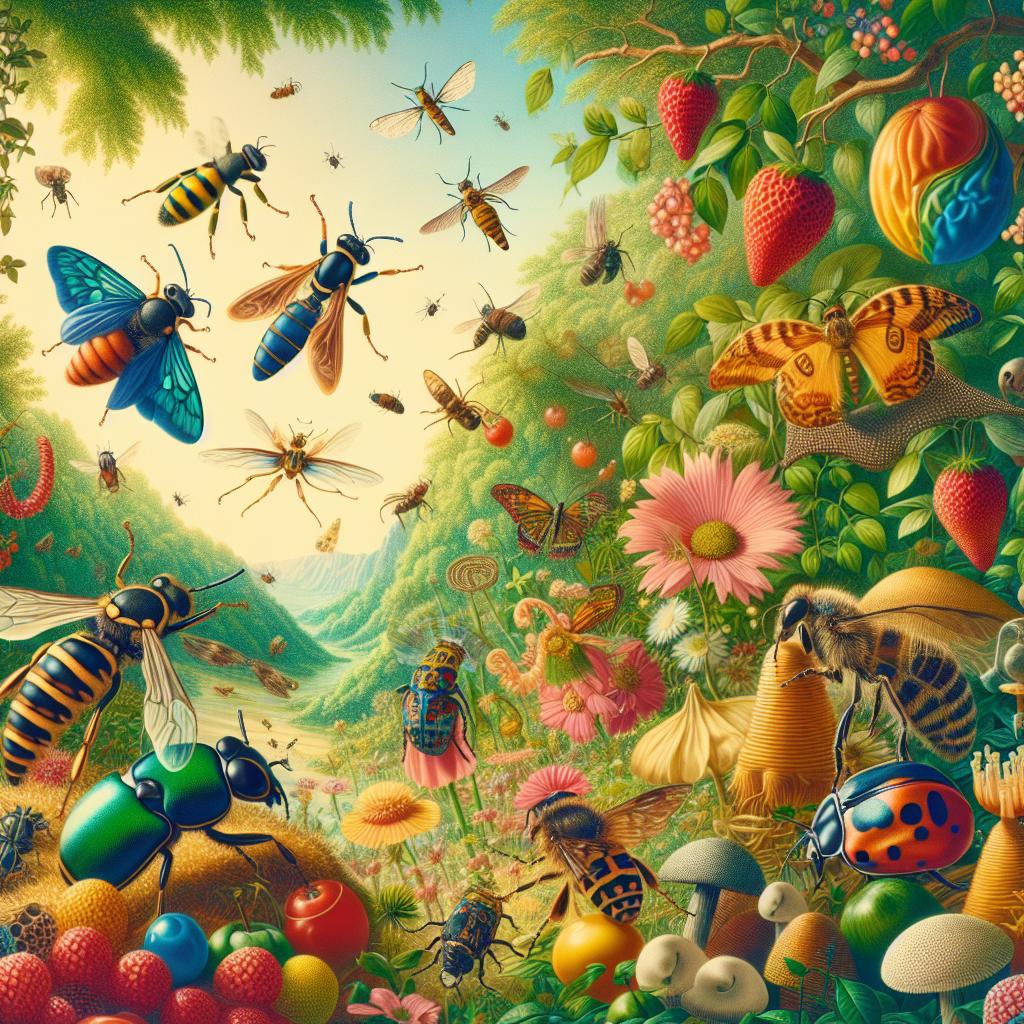

Introduction to the Global Insect Crisis
Insects, often overlooked in discussions about wildlife conservation, are currently facing an alarming decline. This is not just a concern for entomologists, but a pressing global issue with far-reaching implications for our food systems, biodiversity, and ecological health. Recent studies reveal that global insect populations are plummeting due to a combination of habitat loss, pesticide use, and the overarching effects of climate change.
The Crucial Role of Insects
The significance of insects to our ecosystems cannot be overstated. They serve critical roles, from polinization to decomposition, and act as a fundamental food source for various species including birds, mammals, and even other insects. A decline in insect populations could destabilize entire ecosystems, causing ripple effects that impact all life forms.
One of the primary responsibilities of insects is their role in the pollination of plants. Approximately 75% of the world’s food crops depend on insect pollinators, predominantly bees and butterflies. The essential services provided by these creatures contribute to enhanced crop yields and biodiversity.
Causes Behind Insect Population Decline
There are a variety of factors contributing to the decline in insect populations, many of which are linked to human activity. Habitat loss is perhaps the most significant threat—urbanization, agricultural expansion, and deforestation have drastically reduced available environments where insects can thrive. The shift towards monoculture farming practices also limits the availability of diverse food resources for insects.

Additionally, the widespread use of pesticides poses a severe danger. Chemicals designed to eliminate pests are indiscriminately harming beneficial insect species, leading to declines in both individual species and overall diversity. Recent reports have revealed highly concerning data: in certain regions, insect populations have seen reductions of up to 40% over the past few decades.
Climate change adds another layer of complexity; shifting weather patterns alter habitats, disrupt food chains, and can significantly affect the life cycles of insects, making their survival even more precarious.
Consequences of Insect Decline
The repercussions of declining insect populations extend far beyond mere aesthetics. The decline threatens food security, as crop production becomes increasingly reliant on fewer species of pollinators. A decrease in insect diversity can negatively impact crop yields and increase vulnerability to pests and diseases. The communities that rely heavily on farming could experience profound economic effects.
Moreover, ecosystem health is endangered by the loss of insects. Insects play vital roles in soil formation, decomposition, and nutrient cycling. Without them, nutrients do not cycle efficiently, resulting in poor soil health and reduced agricultural productivity. Biodiversity suffers as well: a healthy population of insects supports a vast web of life, and their decline leads to reduced genetic diversity across ecosystems, threatening the resilience of habitats.
Calls for Urgent Conservation Efforts
With alarm bells ringing, conservationists and scientists are joining forces to advocate for urgent action. Grassroots movements around the globe are gaining traction, pushing for policies that promote sustainable agricultural practices, limit pesticide use, and protect natural habitats. The critical need for awareness and political will has been echoed throughout international environmental forums.
For example, initiatives aimed at creating “pollinator corridors”—natural spaces designed to support and sustain insect populations—are being implemented in various regions, offering hope for the future of these vital creatures. These measures, alongside public education campaigns, seek to protect existing habitats and encourage biodiversity.
Conclusion – The Path Forward
As the decline of insect populations paints a grim picture for our ecosystems, society must urgently face these challenges. Urgent conservation strategies, legislative action, and public awareness are essential to reversing trends and promoting biodiversity. Understanding the significance of insects is crucial for mobilizing support for these initiatives.
Ultimately, this crisis is not solely about the insects themselves. It reflects a larger narrative about human coexistence with nature, where our actions bear profound consequences for the world around us. The time for conversation has passed—action is paramount to ensure that once lush and vibrant ecosystems remain intact for generations to come.