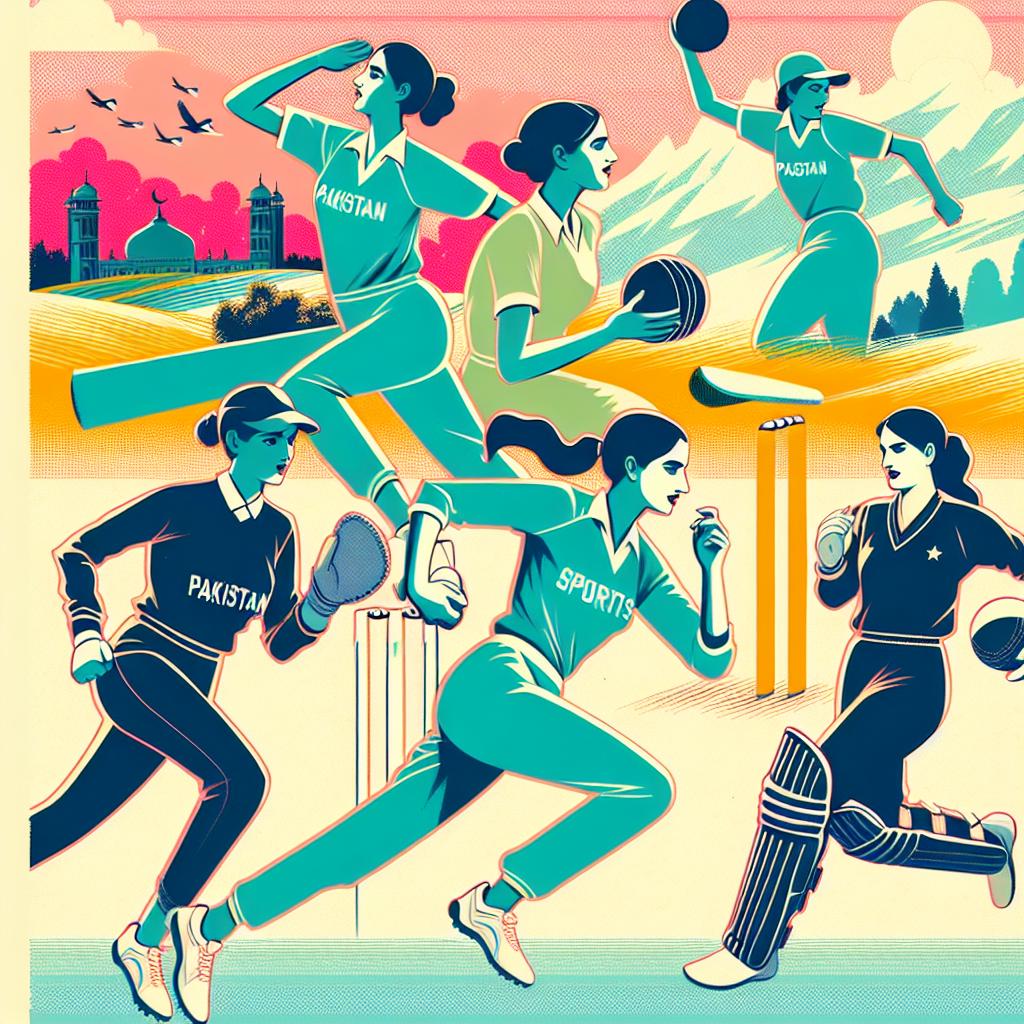

In Pakistan, the escalating temperatures attributed to climate change have emerged as a multifaceted challenge for female athletes, already grappling with a landscape that frequently threatens their ambitions. The intertwining of climate and gender issues reveals not only physical barriers but also psychological hurdles that draw attention to a significant societal concern concerning gender equity in sports.
The story is not just about sports; it’s about how weather patterns are incrementally altering the lives and opportunities for women in society.
The Rising Heat and its Consequences
Recent reports indicate that rising temperatures in Pakistan are imposing new obstacles for female athletes. This is alarming news, considering that many have already been navigating a challenging environment marked by inadequate facilities, traditional constraints, and limited media exposure. The combination of an intense heatwave and these lingering struggles can push many women to rethink their involvement in competitive sports.
In many regions, summer temperatures are soaring past 50 degrees Celsius, creating a health hazard during training sessions and competitions alike. The risks associated with exercising in extreme heat—such as heat exhaustion and dehydration—are pushing women to evaluate whether participating in sports is worth the potential health repercussions. Consequently, we may find a decrease in the number of women participating in athletics, moving athletic tradition in Pakistan, and thwarting years of progress.
A Historic Challenge for Female Athletes
Female athletes in Pakistan have not only had to contend with athletic challenges but deeply rooted cultural determinants that can curtail their freedom to participate in sports. The traditional views on gender often dictate what women can do publicly, which has hampered efforts to foster an environment conducive to women’s sports. Layers of taboo and stigma are compounded by intercommunity variances, ultimately discouraging potential talent.
With resources already inadequate, the increasing temperatures will likely exacerbate the situation. For many young women, contemplating whether to pursue sports becomes a matter of balancing passion against societal expectations and mounting personal costs in a climate they cannot control.

This rising thermal condition highlights how climate change disproportionately impacts vulnerable populations, in this instance, these steadfast female athletes, compounding the struggles they face daily.
Implications and Looking Forward
There is hope in the form of advocacy and community organizations actively addressing the root causes of these issues. As sports clubs become more aware of the challenges posed by climate change and cultural limitations, they can channel collective efforts to enhance facilities, encourage female participation, and inspire future generations to pursue sports professionally.
Yet it takes more than just building facilities; it requires societal buy-in to truly change perceptions about women in sports. Where resources are sparse, cultivating a culture that nurtures female athletes and their needs should be paramount. Training, mentoring programs, and safe environments can create a robust sporting ecosystem where women do not have to question their decisions but can pursue them freely.
The Path to Promoting Equality
Creating gender equity in sports does not rest solely on individual will; it requires cooperative, community-based strategies to dismantle systemic inequality alongside tackling climate adaptability measures. Furthermore, any long-term intervention must include analyses that contextualize becoming physically active in the wider narrative of development and climate resilience.
The conversation about gender and sports in Pakistan needs more than mere acknowledgment of challenges; it requires an examination of optimist realignments. By leveraging education, healthcare, and structural development informed by female voices, the sporting landscape can change forever. They deserve as much opportunity as their male counterparts—both under the sun and in the field of competition.