
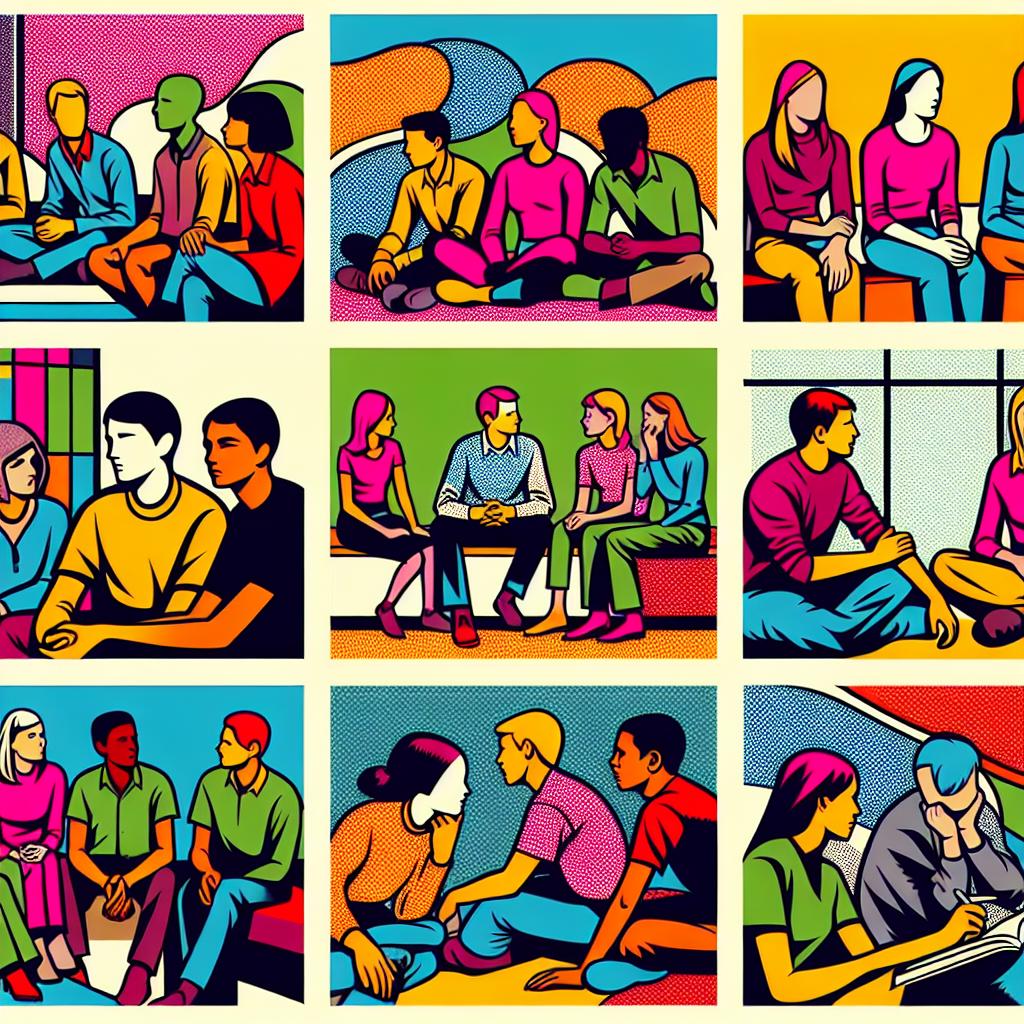

A New Era of Empowerment
In an age where the demands of modern society are rapidly evolving, there is a growing movement aimed at empowering young people by developing their self-awareness and emotional intelligence. This initiative, which has gained traction in various educational systems across the United States, emphasizes the importance of these soft skills in preparing students not only to excel academically but also to thrive emotionally in their personal and professional lives.
A key component of this program is its specific focus on inclusivity. It aims to break down long-standing barriers related to age, ethnicity, and socioeconomic status. In a world that is becoming increasingly interconnected, the disparities faced by young people can often be vast and stigmatizing. The goal here isn’t just about measuring success through grades or standardized test scores; it’s about recognizing and nurturing the intrinsic potential each student possesses—from cultural backgrounds to unique life experiences.
Holistic Education: Beyond Academics
This new initiative represents a momentous shift towards holistic education that values personal growth alongside academic achievement. Traditional education often prioritizes cognitive skills while neglecting the emotional and social dimensions crucial for overall student well-being. By changing this paradigm, educators and advocates hope to create an environment where mental health, emotional intelligence, and self-awareness are nurtured. In fact, research has shown that when students feel secure in their emotional spaces, their cognitive understanding flourishes as well.

The program emphasizes practical approaches such as mentorship programs, workshops, and activities designed to build emotional resilience. Examples include peer mediation groups, social-emotional learning workshops, and self-reflection exercises that promote critical thinking about personal emotions and behaviors. Young people are encouraged to engage in dialogues that help them unpack their experiences, ultimately fostering a sense of empowerment that counteracts feelings of helplessness, especially in challenging life circumstances.
Success Stories: Inspiring Narratives from the Field
As with any initiative, part of its strength lies in the personal stories that emerge from its implementation. For instance, a recent graduate named Sarah recounted how participating in an emotional intelligence workshop significantly impacted her outlook on life. With a sense of anxiety that plagued her throughout high school, she found relief and support through her involvement in a community group focused on self-discovery and awareness. “I learned that it’s not just about how I perform in school, but how I feel as a person, and that’s been such a huge relief for me,” Sarah shared.
Such narratives depict the transformative journey that many students experience upon engaging with this new framework. Rick, another participant, shared how he had learned the importance of empathy and understanding from peers of diverse backgrounds, stating, “Until I met different people with different stories, I didn’t realize how limited my own perspective had been. These conversations opened my eyes to the world.”
Importantly, these characters allude to a broader intention behind the initiative—to cultivate a generation of individuals who must not only excel academically but also contribute positively to society. Achieving educational equality is a cornerstone of social progress, but not at the expense of emotional and personal growth.
What Lies Ahead?
As the movement continues to gain momentum, it faces the challenge of extending its reach to students who may be situated in underserved or marginalized communities. Stakeholders are increasingly cognizant of these barriers, and many are advocating for targeted strategies that make emotional intelligence programming accessible to all.
This initiative also marks a turning point where critique and support play meaningful roles in shaping educational policy. Policymakers are urged to take into account not only the necessity for infrastructure and technological improvements in education, but the foundational need for cultivating emotional capacity in the youth. Data indicates that schools incorporating socio-emotional learning systems see improvements in student behavior, academic performance, and emotional regulation.
The road ahead is complex, filled with both challenges and opportunities as educators, families, and communities work collaboratively to integrate these vital skills into the educational experience. Solutions that align with students’ cultural and community values will be essential in making this vision a reality.
Our young people are the architects of our future, and fostering their emotional intelligence is as imperative as promoting their academic fortitude. As we advocate for change in educational practices, we must remain steadfast and aware, embracing the uniqueness of every student and their journey towards self-discovery and fulfillment.