
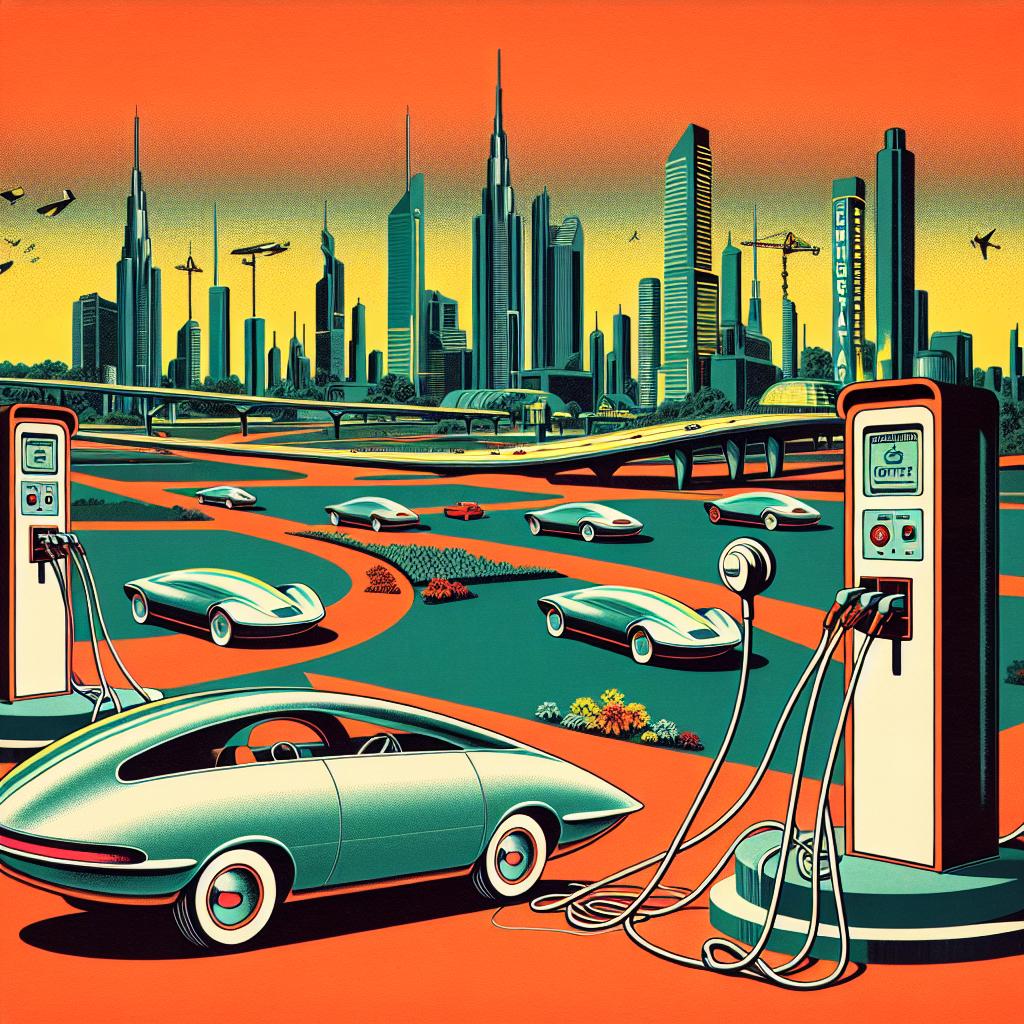

Biden’s Electric Vehicle Initiative: Charging Ahead or Stalling Out?
The Biden administration has embarked on an ambitious journey to transform the U.S. transportation landscape with a monumental investment in electric vehicle (EV) infrastructure. An allocation of $7.5 billion has been earmarked for building EV charging stations across the nation. As we navigate this electrifying path, let’s delve into the nuances of how this funding will be implemented, the regional challenges it poses, and what the future holds for electric mobility in the United States.
“Every state has submitted a plan for how they will spend the allocated EV infrastructure funds.” This solitary statement encapsulates the gravity of this initiative. From New York to California, every state is gearing up to tackle the federal requirements and to get off on the right foot—teetering on the precipice of innovation and tradition.
A Systematic Approach to EV Infrastructure
The Biden administration’s goal is to position the United States as a leader in the global EV market by providing an accessible and robust charging infrastructure. Underpinning this massive endeavor are various federal requirements each state must adhere to. These requirements emphasize not just placement of charging stations in urban centers but also crucially address our rural areas. States like Arizona and Utah are facing unique challenges that raise questions about the equity and reach of this infrastructure.

Rural infrastructure present logistical challenges. In areas where populations are sparse and travel distances are significant, the question becomes—how do we ensure access to charging stations without overbuilding and wasting resources? The federal plan aims to minimize these vulnerabilities by incentivizing innovative solutions and ensuring states optimize their funding allocations.
State-Level Plans and Local Challenges
Each state has had the opportunity to craft its blueprint detailing how it will utilize these funds. Plans submitted span various strategies from enhancing existing charging stations to building completely new ones. For instance, Arizona’s approach may prioritize installing stations along highways to facilitate longer journeys through community hubs, whereas Utah is looking towards integrating solar technology into charging infrastructure to create sustainable networked solutions.
Nonetheless, states must grapple with certain hurdles:
- Regulatory Compliance: States need to ensure their plans meet stringent federal guidelines, which may felcretically restrict innovative practices.
- Budget Management: Allocating funds without exceeding budgets or creating resource voids calls for meticulous planning.
- Geographic Disparities: Urban centers like Los Angeles will leverage different strategies compared to rural hubs like Flagstaff, presenting diverse needs.
The Road Ahead: Opportunities and Expectations
Despite the challenges, there is palpable optimism surrounding the program. Building sufficient infrastructure not only enhances the use of electric vehicles but also stimulates local economies by creating jobs in both construction and ongoing maintenance of charging networks. The ripple effect of a comprehensive EV infrastructure could lead to long-term gains in efficiency, reductions in emissions, and a vibrant clean energy economy.
Moreover, the push towards an electrified transportation system resonates within broader objectives—like tackling climate change and minimizing harmful emissions. Therefore, states that rise to the occasion could set forth models for future federal programs, potentially inspiring further economic transformations.
Conclusion: A Timely Shift
The transition towards an all-electric future is upon us, and the investments made today will dictate the landscape of tomorrow. As federal support paves the way for enhanced infrastructure, especially in territories traditionally overlooked like those in rural states, the potential for environmental, economic, and social advancements is immense. All eyes will be on how these state plans materialize and the Federal Administration’s commitment to support them through this transition.