


Changing the Game in Worker Training
Virtual Reality (VR) technology is no longer just the stuff of futuristic movies or gaming arcades; it is becoming a vital tool in preparing workers for the demands of complex and hazardous industries. From construction sites to the operating room, companies are leveraging the immersive power of VR to train employees in ways that traditional methods simply cannot match.
Why VR? The Benefits of Immersive Training
What makes VR unique is its ability to create safe, controlled environments where employees can practice their skills without the risks associated with real-world scenarios. For industries such as construction, healthcare, and aerospace, the stakes are high. Poorly executed tasks can lead to injuries, costly errors, or even fatalities. VR technology mitigates these risks while enhancing the training experience.
According to recent studies, companies that incorporate VR training have reported dramatic reductions in on-the-job injuries. This can be achieved because, in a virtual setting, trainees can make mistakes without real-world consequences, leading to better mastery of tasks before they hit the ground running. Using VR can reduce training injuries and lower costs.
Industries Leading the Charge
Several key industries are early adopters of VR technology for training. The construction industry is utilizing VR to train workers on site safety and complex machinery operation. For example, workers can engage in virtual simulations that mimic dangerous situations they might face on a construction site.
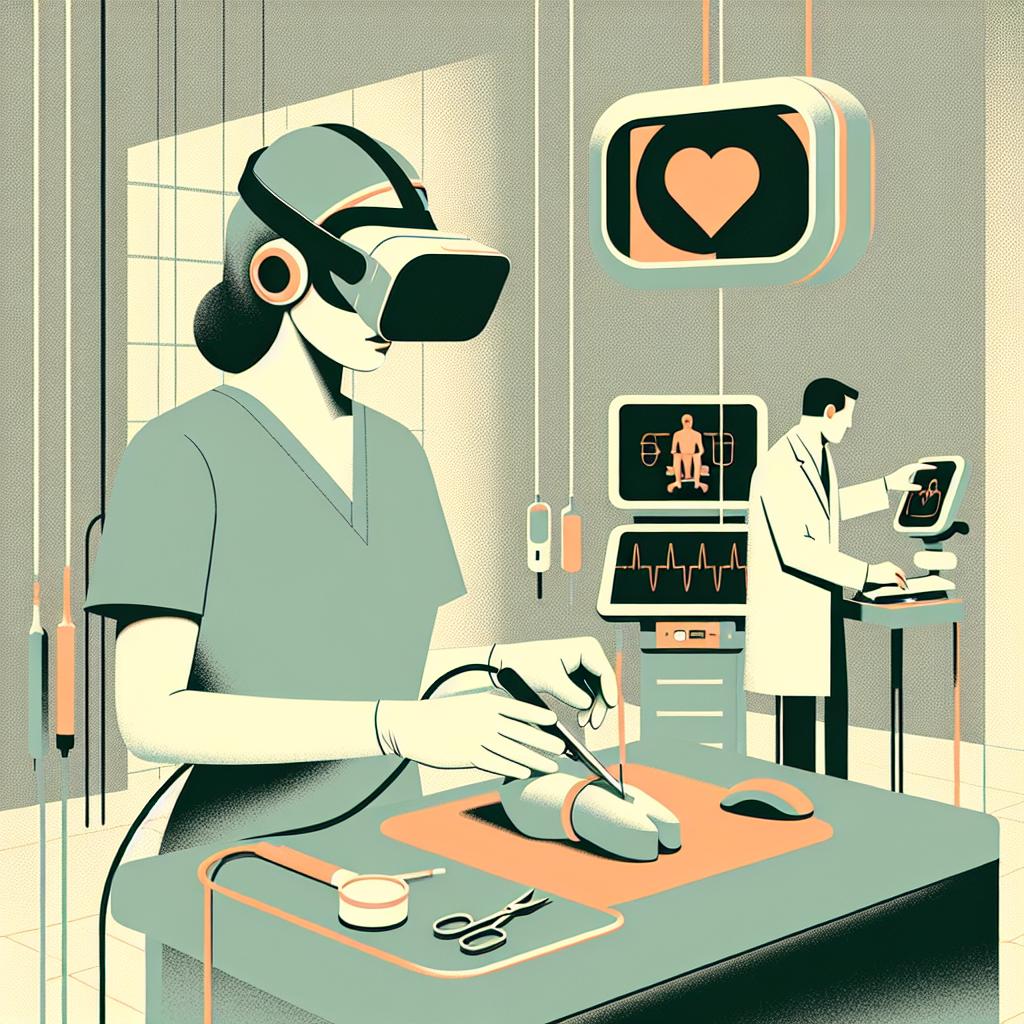
In the healthcare sector, VR is changing the way medical professionals are trained. Surgeons, for instance, can practice intricate surgical procedures in a risk-free environment before operating on real patients. This not only enhances their skills and confidence but also significantly improves patient safety. Healthcare professionals are not just watching videos about procedures; they are getting hands-on experience in a simulated environment.
Aerospace is another area where VR is making strides. Pilots and technicians are now able to undergo rigorous training programs that include theoretical knowledge mapped out in virtual simulations of flight scenarios. These immersive environments prepare them for a variety of situations, including emergencies, in a way that traditional training cannot.
Corporate Investments on the Rise
The future of VR training looks promising, with corporate investment in this technology on the rise. As advancements continue to be made in VR capabilities—including improved graphics, haptic feedback, and more realistic simulations—trainers are seeing the potential benefits for their organizations. The costs associated with traditional training methods, which may involve travel, equipment, and facilities, can quickly add up. However, corporate investment in VR training tech is rising with continuous advancements.
Companies recognize that while the initial costs of adopting VR training systems can be a barrier, over time, the returns—improved safety outcomes, reduced training time, and enhanced skill sets—far outweigh the initial investment. As VR technology continues to mature, expect to see even greater integration across even more industries.
Challenges Ahead
Despite these advantages, the transition to VR training is not without hurdles. Not every worker may be comfortable with, or capable of navigating, VR technology. Companies must ensure accessibility for all employees, considering factors such as age differences and familiarity with technology.
Another challenge lies in content creation. Building high-quality training simulations requires a significant investment of time and money. Ensuring these simulations are realistic and effective is vital, making it necessary for companies to collaborate with specialists in VR as well as industry experts.
The Road Ahead
As we continue to innovate and adapt within various industries, the use of VR technology in worker training presents a unique opportunity to enhance safety and efficacy. The movement towards more engaging and immersive training tools will likely give rise to a new standard of training in the workplace.
The integration of VR into training regimens promises not just to make the workplace safer, but to enable a culture of continuous learning and adaptability in secto rs where precision and expertise are essential. While challenges remain, the excitement surrounding this technology speaks to its potential to redefine the very essence of skill development in high-risk environments.