
A Growing Divide: The Wealth Gap
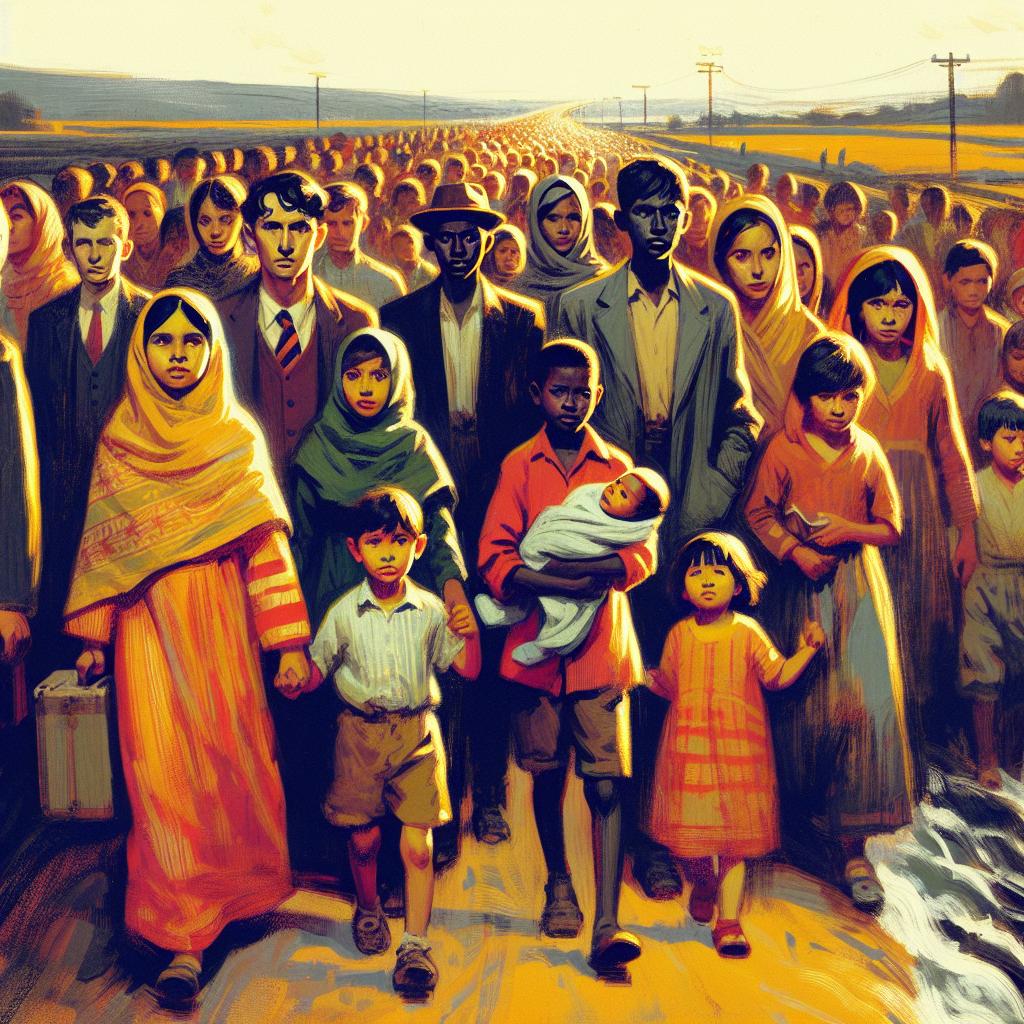
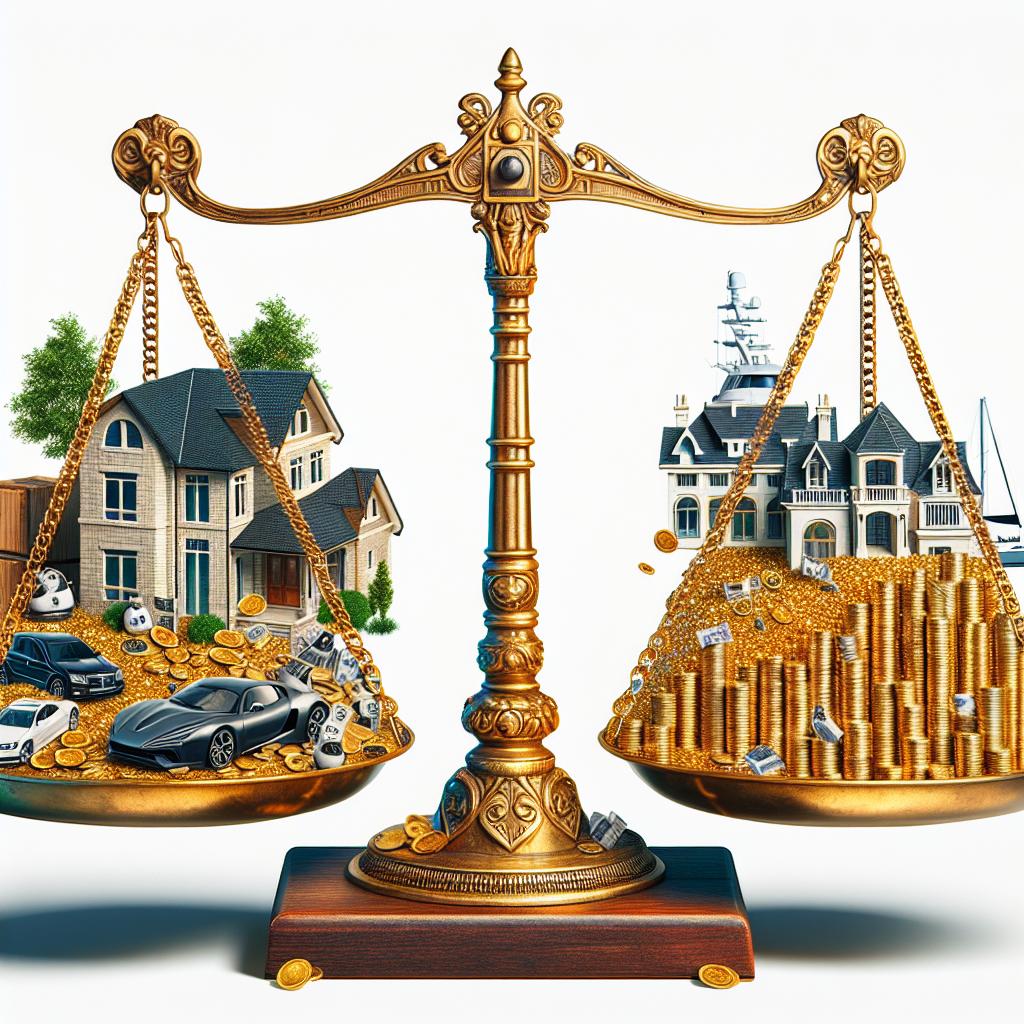
The gnawing sense of disparity that many feel today isn’t just a topic for academic discussions; it’s a tangible reality affecting everyday lives. While the ultra-wealthy have seen their fortunes soar, working families are left grappling with rising costs of living and insufficient wages. The average American worker has seen relatively stagnant wage growth, even as the net worth of billionaires has risen to unbelievable heights.
Take the story of a family of four living in urban America. They are constantly making trade-offs between groceries and the rent, all while their wealth per capita quite literally plummets. Meanwhile, reports document billionaires multiplying their fortunes often faster than it takes than to fix a leaking faucet or a broken-down car. Under these increasingly inequitable circumstances, it begs the question: what can be done to foster fairness?
Understanding the Wealth Tax
One possible solution gaining traction is the implementation of a wealth tax. Broadly speaking, a wealth tax would target the accumulated assets of the richest individuals—not their income, but the actual wealth they possess. This isn’t about punishing success; it’s about recalibrating our priorities. Advocates argue that a modest annual tax on the wealth of the richest could raise tremendous funding for vital services such as schools, healthcare, and infrastructure.
Imagine a scenario where this additional funding translates into rebuilding neighborhoods, funding public hospitals, or enhancing educational resources. What might be possible, if those who have benefited greatly in their lives contributed toward the betterment of society?

Social Responsibility of the Wealthy
Critics of the wealth tax often frame it as an infringement on individual success, suggesting that it penalizes hard work and innovation. However, proponents argue this perspective overlooks the concept of societal contribution. The wealthiest individuals have undoubtedly benefited from public resources and infrastructure that played pivotal roles in their success stories. Therefore, a wealth tax could merely represent the wealthy paying their fair share to sustain the very system that enabled their prosperity.
Furthermore, wealth taxes have been implemented in various countries and yielded significant benefits. For instance, in countries with longstanding wealth taxes, like Norway and Switzerland, there’s often lower income inequality and a heightened ability to invest in public welfare. Might it be time to look to these models as we consider reforming our system?
Taking Action: The Road Ahead
The path toward a wealth tax won’t be an easy journey; it will certainly face opposition. However, the growing narrative suggests that we can, and should, reshape our economy to support communities rather than allowing wealth to accumulate in the hands of a few.
The resistance often cites the challenges of taxing wealth, claiming it could spur avoidance or even tax flight, but many reforms already implemented, such as the existing capital gains taxes and estate taxes, can be adjusted and optimized.
Ordinary citizens are beginning to take note of the stark inequalities in wealth distribution, igniting a conversation about what fairness looks like in our society. As we start understanding wealth as a communal responsibility rather than a personal triumph, we open doors to new possibilities.
Just think about it: if investing in community development was prioritized over the unchecked accrual of wealth, what innovations and improvements could arise? The potential for positive change is stunning if we take action alongside a wealth tax.
Conclusion: A Call to Collective Action
It’s crucial to remain energized, informed, and proactive about wealth tax discussions. The push for fair taxation can have enduring impacts, potentially revitalizing local economies and instilling hope into struggling communities that desperately need resources and attention.
Justice, equity, and sustainability should go hand in hand. Society thrives when every individual feels they have a stake in its success—whether through access to education, healthcare, or opportunities to flourish.
Now is the time for real conversations around wealth taxation to elevate our communities and offer everyone a chance to succeed.
Imagine what we could achieve if we invested in our communities instead of letting wealth concentrate in the hands of a few.