
The Disruption of Nocturnal Life
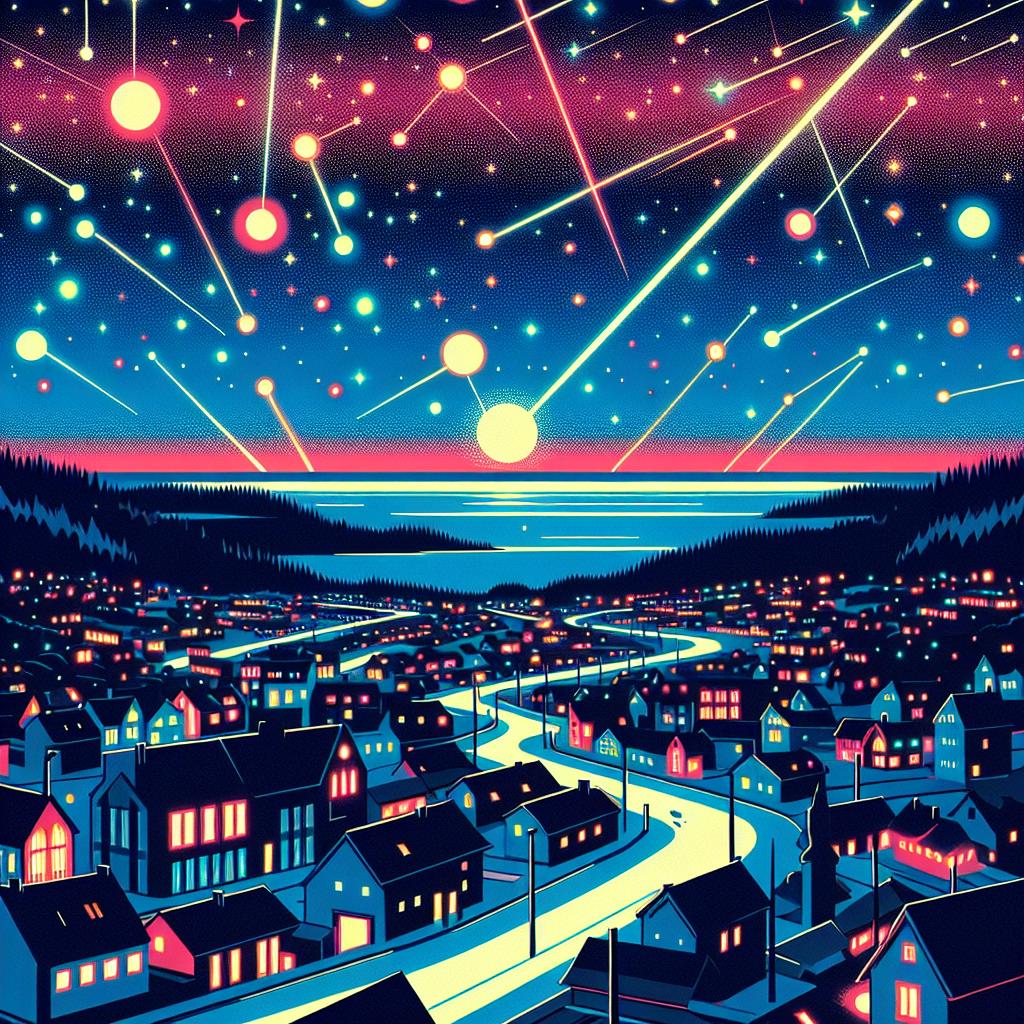
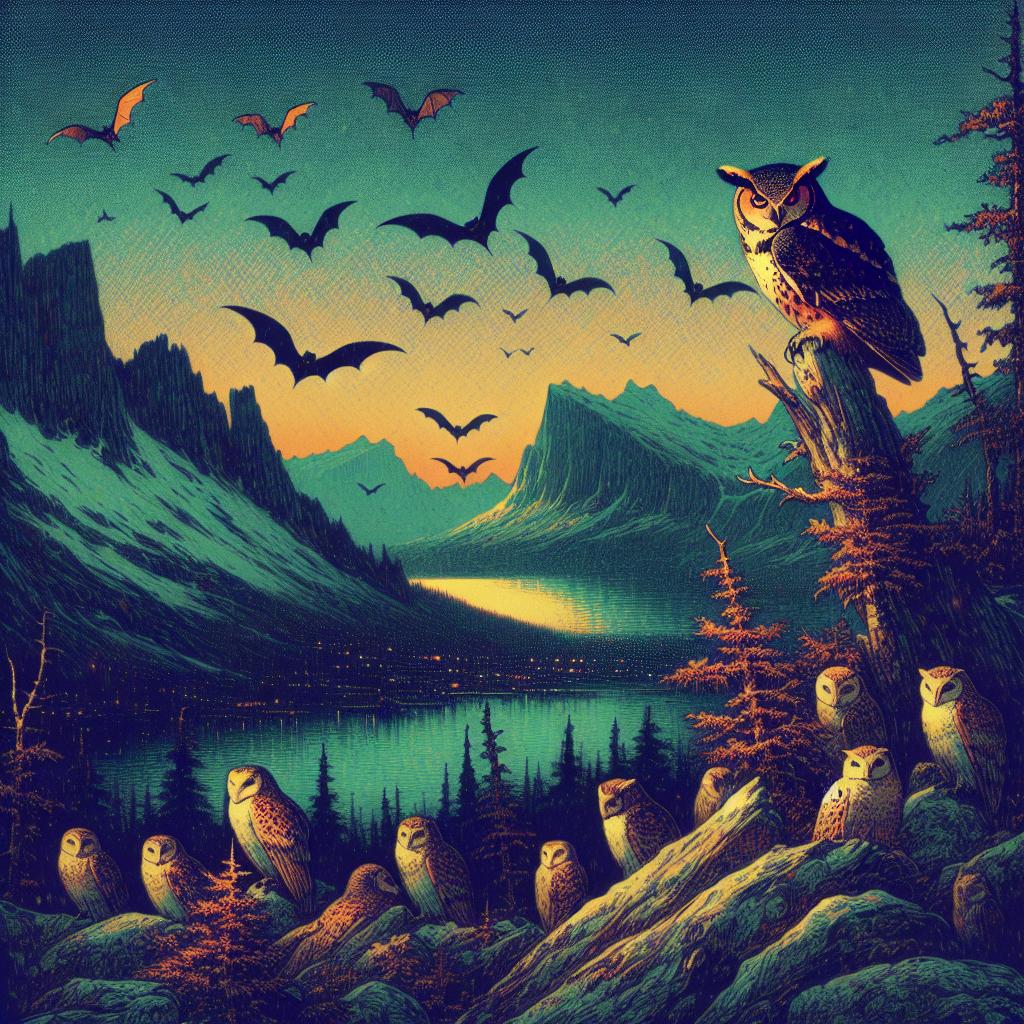
As cities evolve, so too do the landscapes that surround them, particularly in the realm of lighting. Light pollution, often perceived merely as a nuisance for stargazers, extends far beyond the aesthetic realm; it tangibly disrupts the natural behaviors of nocturnal animals. These disrupted behaviors lead to altered feeding and mating patterns, with potential cascading effects on entire ecosystems.
Research conducted by various environmental scientists indicates that artificial light encourages either overfeeding or underfeeding in certain nocturnal species. Animals have been found to adapt poorly to the brightness of urban environments, often resulting in misalignment with their circadian rhythms as they struggle to adjust their natural behaviors to artificial cues.
Plants and Pollinators Under Siege
Moreover, the ramifications of light pollution aren’t restricted to animal behaviors. Plant growth and the natural cycles of pollinators also face interference due to artificial light. This disruption can affect flowering times, which may shift from season to season based on prevalent light levels rather than more stable climate cues. Pollinators like bees, crucial for ecosystem health and agricultural productivity, rely on natural light patterns to guide their activities; when these patterns are disrupted, their populations and the plants they pollinate suffer.
Studies have shown that plants grown under streetlights tend not to display normal growth patterns, leading to stunted growth and reduced reproductive success. This is not merely a localized issue; it can have widening effects on food production and biodiversity. As these plants struggle to thrive, they increasingly become less appealing to the very pollinators that they depend on.
Innovative Solutions: Mitigating Light Pollution
Recognizing the significant impact of light pollution on ecosystems has led to calls for change. Some urban areas are taking monumental steps toward reducing light pollution through the implementation of amber-colored streetlights, a simple but effective solution. These alternatives do not merely minimize brightness levels; they also allow for a spectrum of light modification that is less disruptive to wildlife behavior.
Such initiatives serve a dual purpose. Not only do they aim to improve the quality of life for the nocturnal world, but they also potentially enhance human well-being by restoring the beauty of a star-filled sky—an essential connection to our natural history.
However, these advancements are merely the tip of the iceberg. More comprehensive strategies addressing the source of light pollution, such as architectural lighting designs that focus on downward shading and encouraging natural light during daytime hours, can further mitigate these effects. Community-based efforts and awareness-raising campaigns are also paramount, educating the public about the significance of such measures in fostering balance within our ecosystems.
In concluding, the urgency of addressing light pollution reflects our broader relationship with nature—a continuous dance between human innovation and environmental stability. Much like the act of nightfall enveloping the landscape, creating inclusive dialogue around light pollution can illuminate avenues for solutions that achieve harmony between the technological progress we embrace and the ecological balance we are driven to protect.