
Introduction to Light’s Complexity
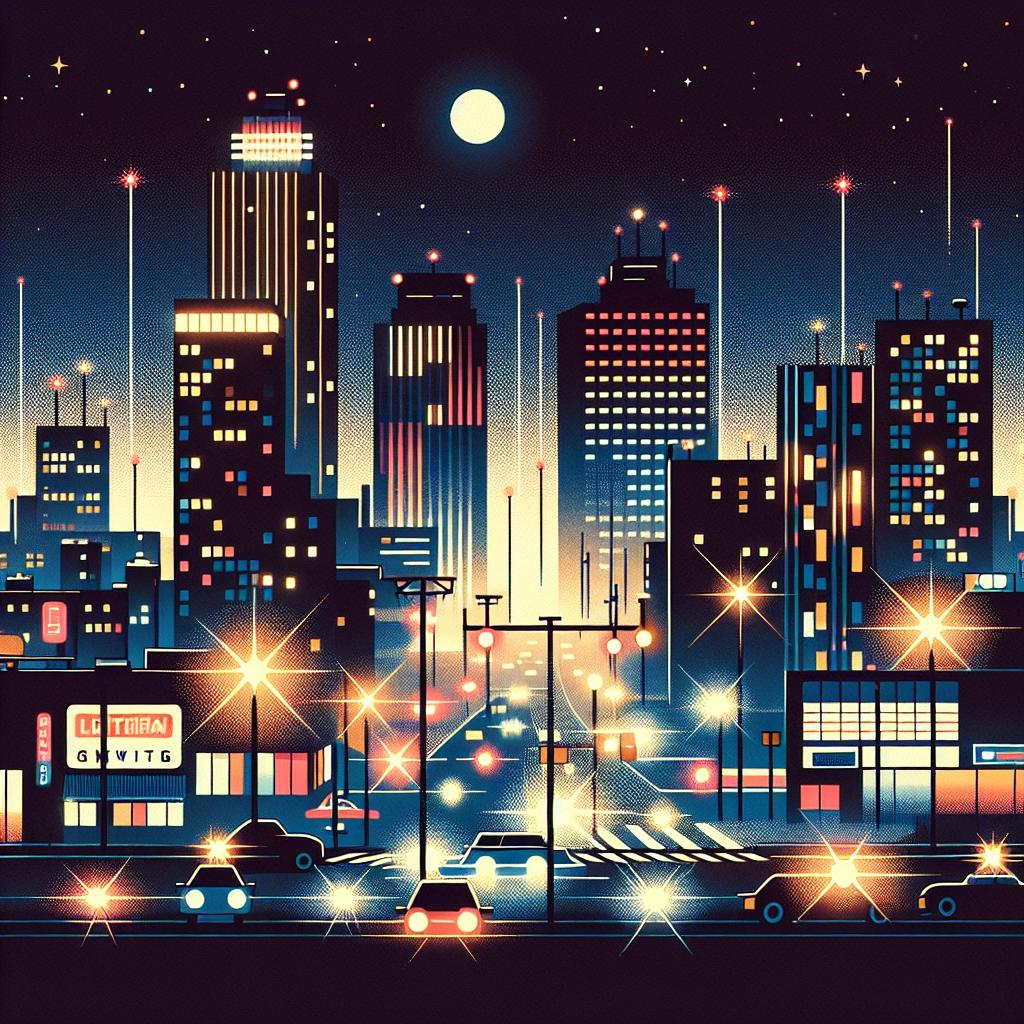
In our modern world, the lights never seem to go out. Whether it’s the glow of your living room lamp or the neon signs illuminating our cities, being surrounded by light has become a standard of our lifestyles. Yet, what many do not realize is that this cycle of constant light has hidden costs that extend beyond our daily conveniences.
The Spectrum of Light Usage
The primary reasons for leaving the lights on range from increased security to pure habit. Homeowners often keep their porch lights lit through the night to ward off intruders or for simple convenience when returning home after dark. In businesses, brightly lit storefronts are a common practice to attract customers even late into the evening. However, as convenient as this may be, it contributes significantly to what is known as light pollution.
Light pollution is essentially an excess of artificial light that brightens the night sky and interferes with our natural environment. It disrupts ecosystems, especially impacting nocturnal wildlife. For instance, many migratory birds navigate using the stars, and artificial lighting can confuse their pathways, leading to fatal consequences. Similarly, nocturnal animals that rely on darkness for their hunting activities face challenges that threaten their existence.

The Health Consequences
The consequences of light pollution do not solely affect wildlife; human health plays a significant role as well. Studies have shown that exposure to artificial lighting, particularly at night, can lead to sleep disorders and other health issues. Our internal body clocks, or circadian rhythms, are finely attuned to the natural light-dark cycle and can be thrown off balance by excessive exposure to light at night.
People living in cities known for their bright lights and bustling nightlife are, more often than not, grappling with various health challenges. Insomnia and sleep disturbances are common complaints associated with brighter urban environments, leading individuals to seek remedies that might involve maximizing darkness during their night routines more deliberately.
The Astronomical Impact
Imagine gazing into the night sky, hoping to spot a glimpse of shooting stars or celestial bodies only to be met with a dim canvas blotted out by our over-reliance on artificial light. This scenario is not merely an inconvenience for astronomy enthusiasts; astronomers today face substantial challenges due to light pollution. A multitude of observatories worldwide struggle to find suitable conditions for their studies as urban lights render faint celestial bodies nearly invisible.
The widening gap between enthusiasts and those conducting scientific research presents a concern not only for civilization’s appreciation of the cosmos but also for essential academic research about our universe. Without dark skies, the ability to conduct crucial astronomical observations diminishes, reinforcing an urgent need to address this looming problem.
Dark Sky Initiatives
Globally, efforts are underway to combat light pollution through initiatives aimed at creating more ‘dark sky’ zones. Many countries have implemented policies designed to reduce unnecessary night lighting. For example, local governments are championing the conversion of traditional streetlights to warmer, less intrusive lighting fixtures designed to minimize light spillage and waste.
Moreover, educational outreach initiatives promote awareness of light pollution’s impacts on both health and the environment. Community engagement is essential to encourage citizens to enjoy the experience of darkness and understand the critical balance it brings to life – both terrestrial and celestial.
Engaging in ‘dark sky’ programs not only conserves energy but fosters participation in night sky recreational opportunities. By connecting with our darkest natural environments, we can rekindle relationships with the cosmos that seemed lost amidst the electric glare.
The delicate balance between safety, convenience, and the need for preserving our environments requires reflection and commitment. Natural darkness offers blessings that are all too often sacrificed at the altar of artificial illumination. By working together to implement ‘dark sky’ initiatives, we can reclaim our nights while nurturing both human health and the biodiverse ecosystems that flourish in darkness.
Re-thinking our relationship with constant light isn’t merely pressing in urban design—it is, at its core, an irreplaceable stride towards sustainability.