

A Disturbing Revelation
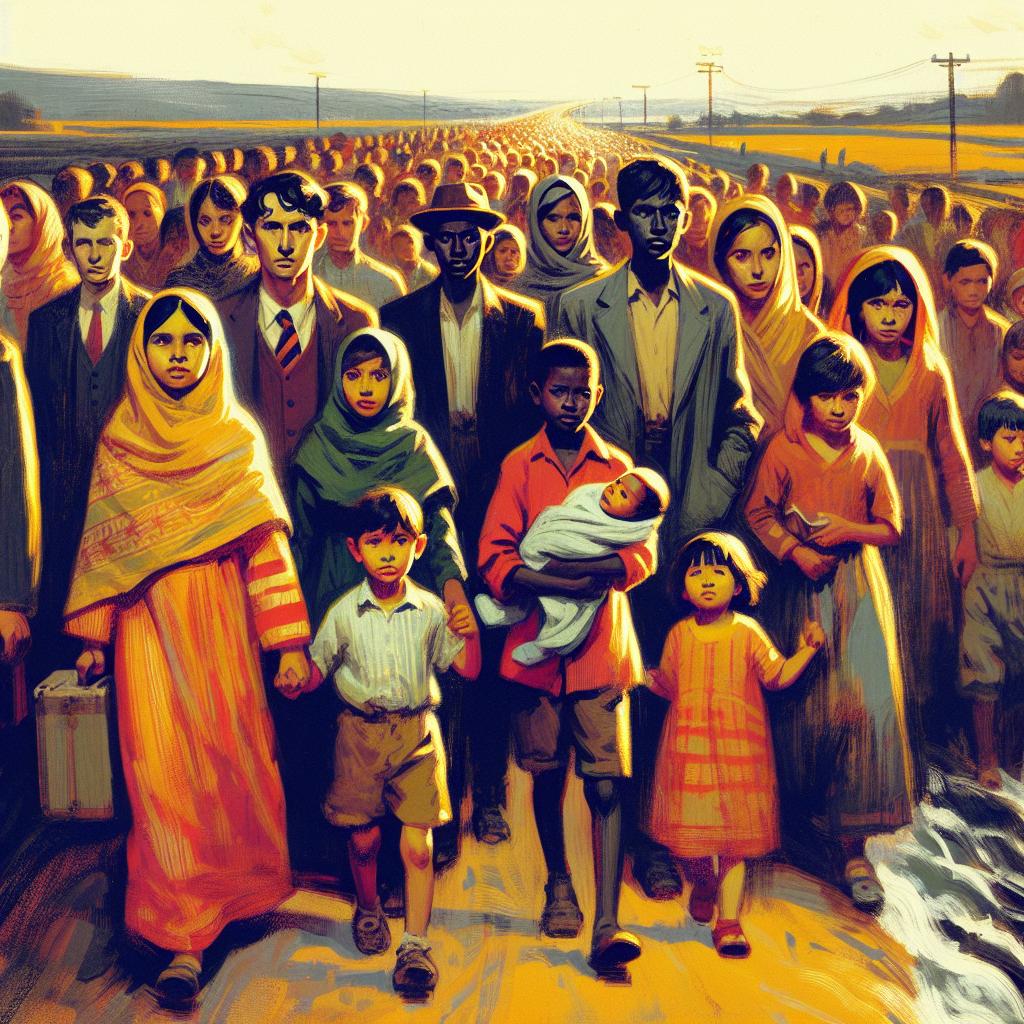
In a shocking report by the Department of Homeland Security’s (DHS) inspector general, it has been revealed that up to 323,000 migrant children are unaccounted for in the United States. This startling figure raises a myriad of questions about how these vulnerable individuals, often fleeing unimaginable circumstances, fade into a bureaucratic abyss when they reach this country. What challenges do they face and what consequences do they risk? The realities of the plight of these children directly provoke us to revisit the very systems intended to protect them.
As these numbers seem to echo through halls of policy-making and activism, one must understand not just the statistics, but the stories behind each individual child—stories of hope, desperation, and the inherent desire for a better life. It is imperative that we reflect on the human aspect behind these figures.
The Risk of Vulnerability
Potentially falling prey to human trafficking or forced labor becomes an ominous reality for these missing children. It’s not merely about being unaccounted for; it’s about being unprotected. This brings forth a collaborative concern across the political spectrum, stirring bipartisan calls for critical improvements in oversight and accountability regarding immigration practices. Advocates and lawmakers alike stress the urgency of developing mechanisms to ensure that children entering the system are accounted for, cared for, and adequately represented.
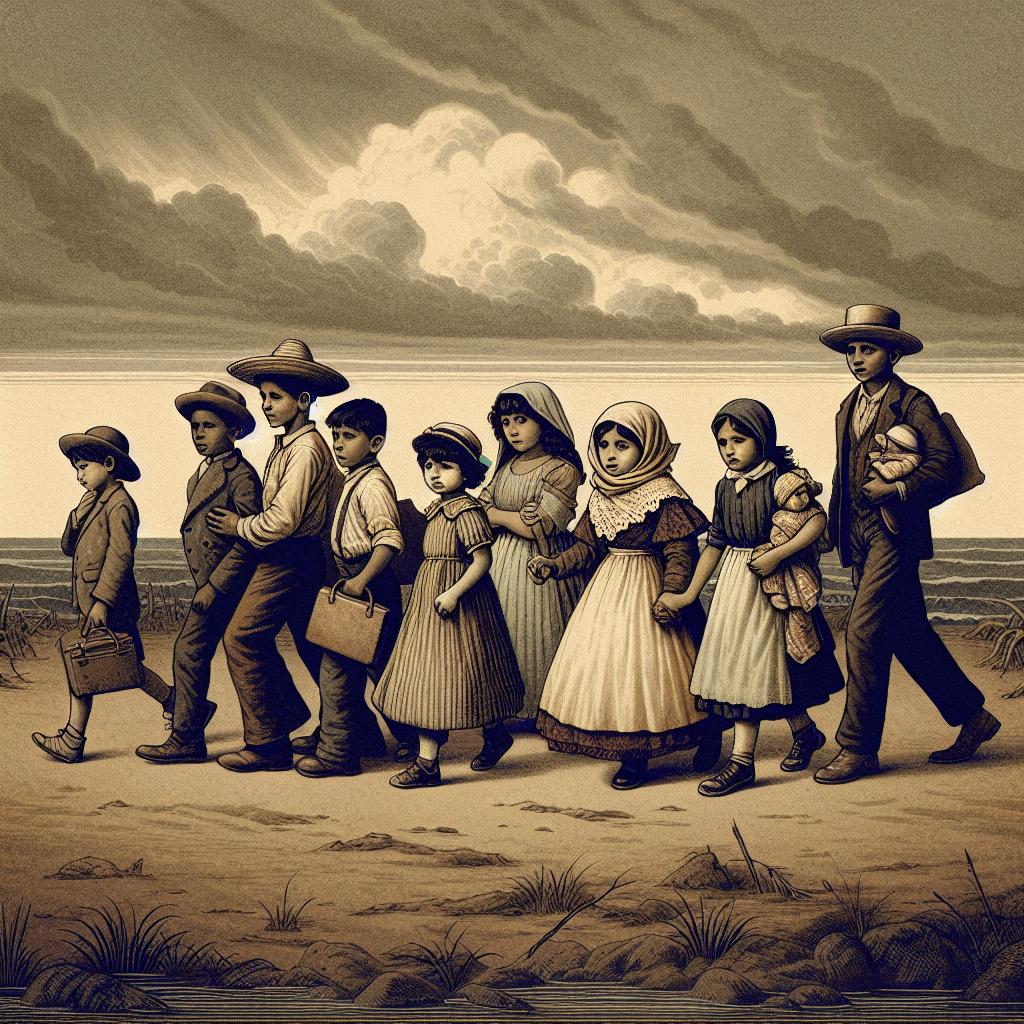
Imagine for a moment a child—let’s call her Mariana—arriving in the U.S. without the care of a parent or guardian, hoping that the land of opportunity will provide her with safety and education. Yet, as she tries to navigate complicated immigration processes and often a daunting new society, she slips through the cracks and ends up lost in an array of bureaucracy. This is where the problem lies; not merely in the number of unaccounted children but in their vulnerability to exploitation and neglect.
In an age when human trafficking concerns are alarmingly prevalent, every unaccounted for child poses a potential crisis more widespread than we wish to acknowledge. The narrative surrounding the system must evolve to address these tangible impacts and the necessity for a transparency that ensures accountability for an immigration system that seems to be failing at one of its most fundamental responsibilities—protecting children.
The Call for Reform
In the wake of this serious report, both sides of the aisle indicate a shared responsibility to implement reforms. Advocates for children’s rights, including several non-profit organizations, are not only calling for accountability but also pushing for systemic changes to immigration protocols that would help keep track of children entering the system. These reforms could radically alter the landscape of child protection for migrant youths facing an array of dangers within such complex systems.
This breeding ground of bipartisan support can serve as an avenue for productive dialogue focused on rectifying systemic issues and ensuring that children like Mariana do not have to live in fear or, worse, disappear into an unchecked system devoid of support.
As a society, we cannot turn a blind eye to the implications of such massive oversight. Each day that goes by without action compounds the risk these individuals face—from the looming threats of trafficking to the challenges presented by navigating a difficult immigration journey without the security net of support. The human experience intertwined within these statistics must guide our policy decisions and humanitarian response for the time to act is now.
It’s vital to tap into the urgency of collaboration—community organizations, governmental bodies, advocacy groups, and citizens coming together to address not only the accounts of these children but also the systems that have made them vulnerable.