
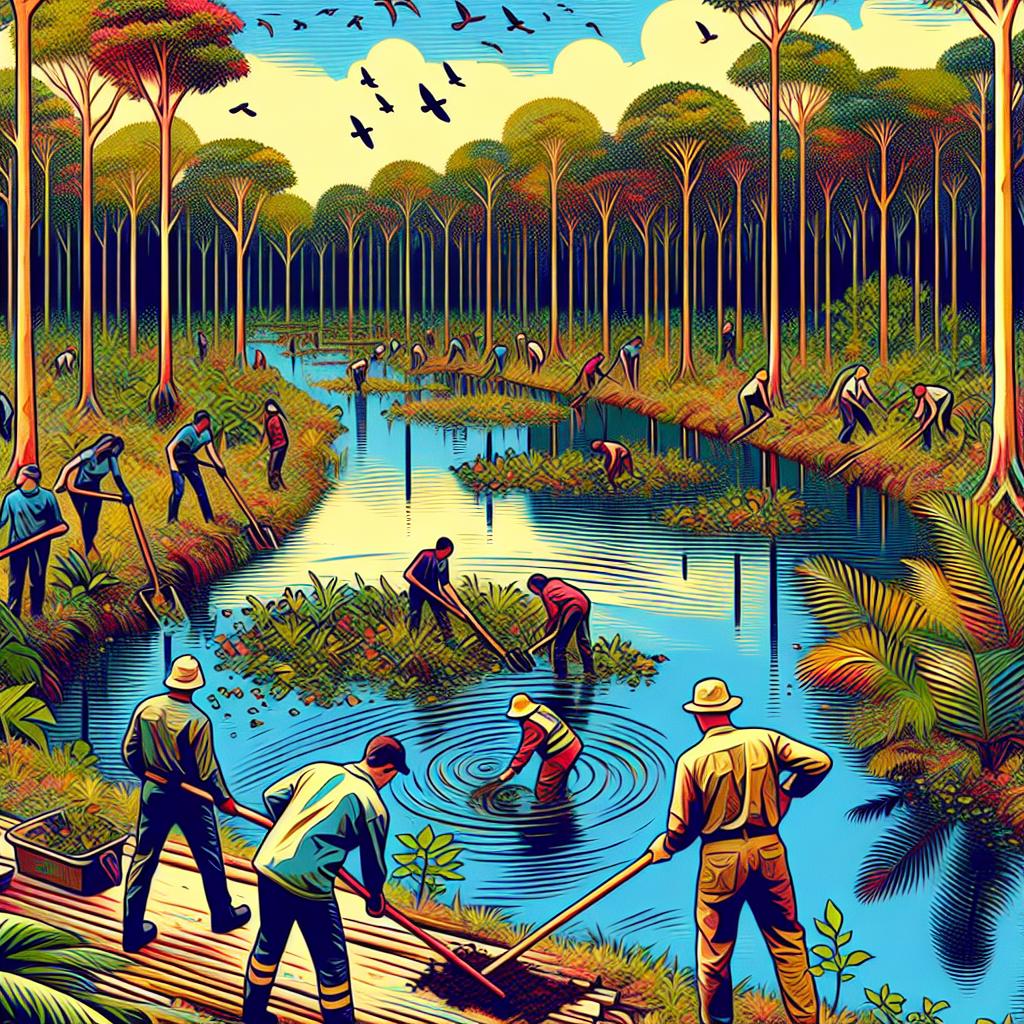

The Renewal of Earth’s Ecosystems
In an age defined by climate change, industries scrambling for solutions, and a global landscape shaped by human impact, rewilding emerges as a compelling method. Rewilding revolves around restoring ecosystems to their natural state, thereby bolstering biodiversity, enhancing carbon sequestration, and reversing some impacts of climate change. Though the practice is deeply rooted in an appreciation for the natural world, its current momentum seeks to utilize ecology as a viable solution to ongoing environmental crises.
Evidence supporting rewilding has found a basis in several successful projects across Europe and North America. These initiatives have revealed that restoring relationships between species and their environments can lead not only to ecological balance but also to resilient natural systems capable of withstanding climate effects. For instance, the reintroduction of apex predators like wolves is changing the dynamics of local ecosystems, subsequently enhancing biodiversity as herbivore populations adjust in response. Simultaneously, the return of species such as beavers shows profound effects in water management systems. These ecosystem engineers create cavities in landscapes, establishing water reservoirs that maintain soil moisture, promote plant growth, and provide habitats for myriad species.
“As nature reclaims her balance, rewilding invites us to envision a future where coexistence with wildlife is neither a burden nor a choice but becomes our collective responsibility.”
The Effect of Climate Change on Biodiversity
Climate change’s adverse effects exacerbate the pressure on biodiversity and natural ecosystems. Natural habitats are fragmented, while urban sprawl continues to encroach on landscapes. For species at the brink of extinction, climate-induced habitat loss translates to an existential threat. Rewilding proposes a proactive approach to this crisis by using nature’s own mechanisms to recover. Key ecological principles suggest that increased connectivity between habitats will enhance the resilience of both plant and animal communities.
However, it’s essential to understand that rewilding should not solely focus on species reintroductions. It involves integrative strategies, combining restoration projects with community needs and conservation efforts; human components must be taken into account. Consequently, it must be noted that a hands-off approach—often associated with rewilding—could face pushback if it is perceived to conflict with human land use and agricultural needs. This brings us to the critics of this growing movement.
Challenges and Concerns Surrounding Rewilding
Opponents caution against unintended consequences that come with rewilding projects. The declaration of lands as rewilding zones may diminish agricultural prospects, lead to increased wildlife-vehicle accidents, or create predator-prey dynamics that undermine local livestock conditions. This potential land-use conflict raises a call for strategic planning in these ventures. In particular, transparency with local communities is imperative, as are community input and fair compensation for potential losses due to wildlife interactions.

Successful examples from the Total Ecosystem Restoration Initiative in Europe showcase how combining innovative agricultural practices with rewilding projects can lead to sustainable coexistence strategies so that local economies do not suffer. By allowing farmers to incorporate ecologically beneficial practices while reporting positive economic impacts from tourism associated with rewilding areas, communities may appreciate and support these ecosystems seeing them as enhancers of their way of life.
Incorporating Traditional Wisdom into Future Strategies
A wise coexistence model does not require sacrificing one interest for another. Indigenous communities provide invaluable traditional ecological knowledge that shares insights into sustainable interactions with biodiversity. Studies highlight that rewilding initiatives can be greatly improved by adapting these longstanding practices to modern methodologies within ecological conservation frameworks.
Particularly in regions where land use has historically sensitized to fluctuations in climate or recurring drought scenarios, the combination of indigenous knowledge and the rewilding movement may pave the path for deeper ecological connections, ultimately strengthening environmental stewardship.
“Sustainability flourishes when new strategies blend harmoniously with established cultural wisdom – a truth ever-present within communities that have thrived on the fringes of nature.”
The Future of Rewilding
The pressing realities of climate change beckon collaborative approaches to ecosystems restoration, making rewilding a higher priority for various policymakers across national borders. However, as more stakeholders seek to engage with nature positively, collaboration and integration of diverse voices emerge as crucial to guiding successful rewilding practices.
With ongoing advocacy aimed not just at species restoration, but enhancing entire ecosystems, the global acknowledgment of ecological interconnectivity reinforces urgent calls for action. We each hold the responsibility to dialogue about and participate in this movement winding toward a greener future, bringing together wildlife, landscapes, and communities in a unified purpose.
While much work is needed to balance restoration with human activity, the movement towards rewilding stands to offer one of the many pathways leading to restored landscapes. In part, it recounts an urgent tale of returning to harmony with nature, breathing life back into our ecosystems.