
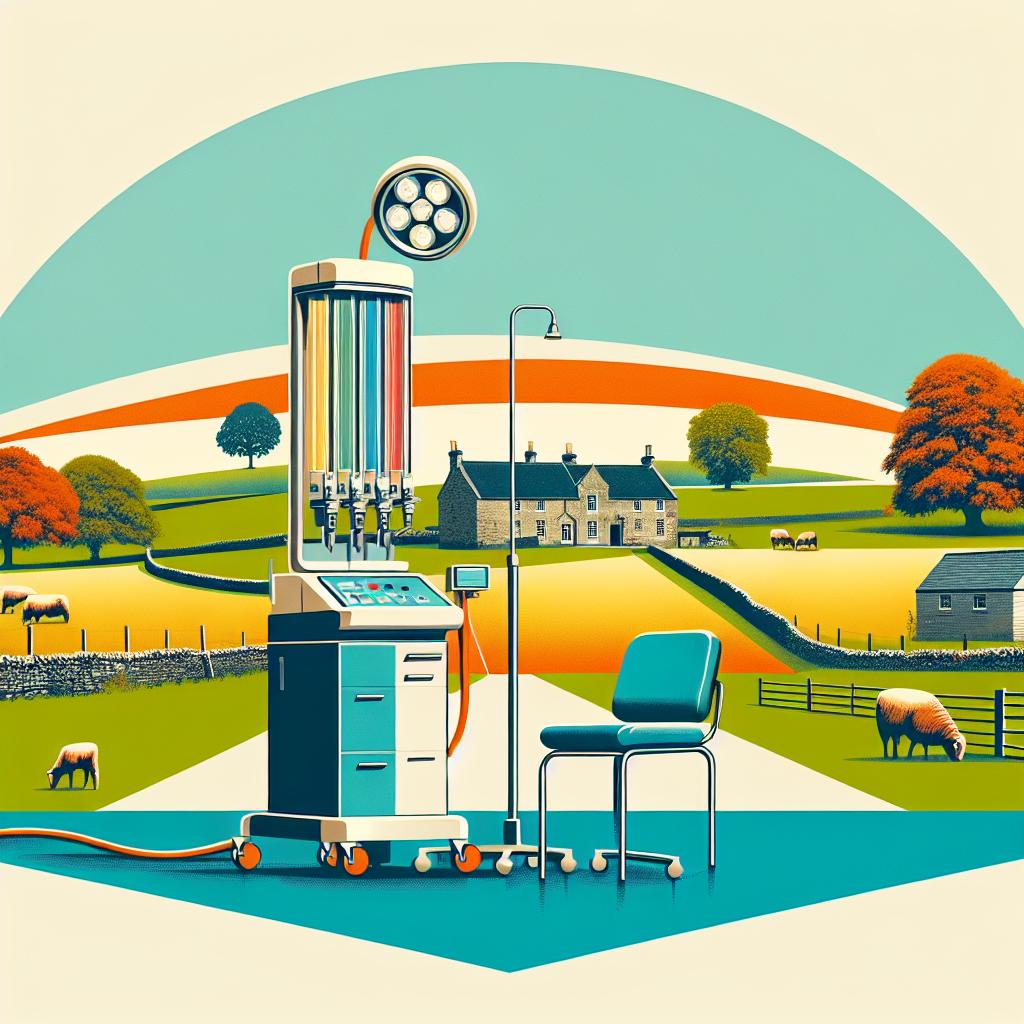

Rural Healthcare Innovation: A Growing Focus
In recent years, rural communities across the United States have garnered increasing attention regarding their unique healthcare challenges. These areas often face significant access issues due to geographical isolation, limited medical facilities, and a chronic shortage of healthcare professionals. As the demand for healthcare services rises, innovative approaches to address these disparities have come to the forefront. It is becoming clear that the survival of rural healthcare depends on robust solutions, particularly those that leverage new technology and community engagement.
Telemedicine: Bridging the Gap
One of the most promising advancements in rural healthcare is the expansion of telemedicine. By employing digital technology to offer remote consultations, telemedicine significantly boosts access to healthcare in underserved areas. Patients can receive quality medical care from home or local community centers, which is particularly invaluable in regions where travel may be prohibitive. This innovation directly confronts the distance and accessibility issues that have long plagued rural communities.
The appeal of telemedicine has been magnified by the recent global health crisis, where physical distancing became essential. Many healthcare providers rapidly adapted to provide services online, enhancing their offerings and making healthcare more approachable. Telemedicine has not only expanded appointment availability but has also increased the willingness of residents to seek help, something previously stymied by the challenges of travel and time.
Addressing Chronic Shortages
Despite such advancements, the fundamental issue remains: there is a serious shortage of medical professionals in rural areas. Innovative rural healthcare programs have begun to address these chronic staffing issues through incentives designed to attract healthcare workers to these locations. Substantial funding from federal and state governments, along with non-profit organizations, is being directed toward initiatives that recruit and retain doctors, nurses, and specialists.
Programs that offer loan repayment options, competitive salaries, and bonus incentives for relocating to rural areas are designed to alleviate concerns for medical professionals considering slightly less conventional career paths. Moreover, educational institutions are recognizing the gap and fostering programs to educate prospective healthcare workers in rural areas. Nurse practitioner and physician assistant programs increasingly include modules on rural healthcare challenges, preparing students for real-world difficulties they will face upon entering the workforce.

Community Health Initiatives: A Crucial Element
Community health initiatives serve as a cornerstone for preventative care in rural regions. Health fairs, wellness screening programs, and local health classes amplify strategies for addressing healthcare issues before they escalate into more serious medical conditions. Local organizations, often in partnership with health departments, have learned to mobilize community resources effectively to cater to the needs of their populations.
These initiatives not only aim for high-impact results but also emphasize the importance of community engagement. By involving local residents in the design and implementation of health programs, a sense of ownership is cultivated, leading to better rates of participation and success. Such programs have proven-effective in dealing with prevalent rural health issues like heart disease, diabetes, and substance abuse, which often require extensive community involvement for effective prevention and management.
Funding and Incentives: Building the Future
As efforts to bridge the rural healthcare gap continue, it is notable how federal and state strategies play an instrumental role. With the realization that healthcare inequities directly impact overall health outcomes, substantial political momentum has shifted towards allocating resources toward rural healthcare innovation. Whether it is through grants for telehealth infrastructure or programs promoting mid-level healthcare providers, the infusion of funding is paving the way for solutions that truly cater to the unique challenges of these areas.
In addition to governmental support, private sector partnerships have emerged, aiming to drive innovation and efficiency. Tech companies involved in health tech are beginning to understand the potential of their offerings in rural settings, thus broadening participation in the healthcare ecosystem.
“Rural healthcare innovation is no longer just a niche.” As rural communities become the testing ground for innovative healthcare solutions, the potential impacts are manifold. They will not only improve health outcomes in these communities but could also serve as a blueprint for broader healthcare reform throughout the country.
Rural Resilience in Healthcare
The resilience of rural healthcare hinges on collaborative efforts. By fostering partnerships among government entities, healthcare providers, educational institutions, and community organizations, rural areas are discovering new pathways to sustainable healthcare.
While significant challenges remain, the concerted efforts to revitalize rural healthcare signal a shifting tide. Increasing focus will not only meet the immediate healthcare demands of these communities but also establish a more robust and equitable healthcare framework capable of addressing future issues. The innovations we witness today serve as critical components in a pivotal restructuring of rural healthcare delivery, paving the way for a healthier tomorrow in these often-overlooked regions.