
The Escalating Crisis
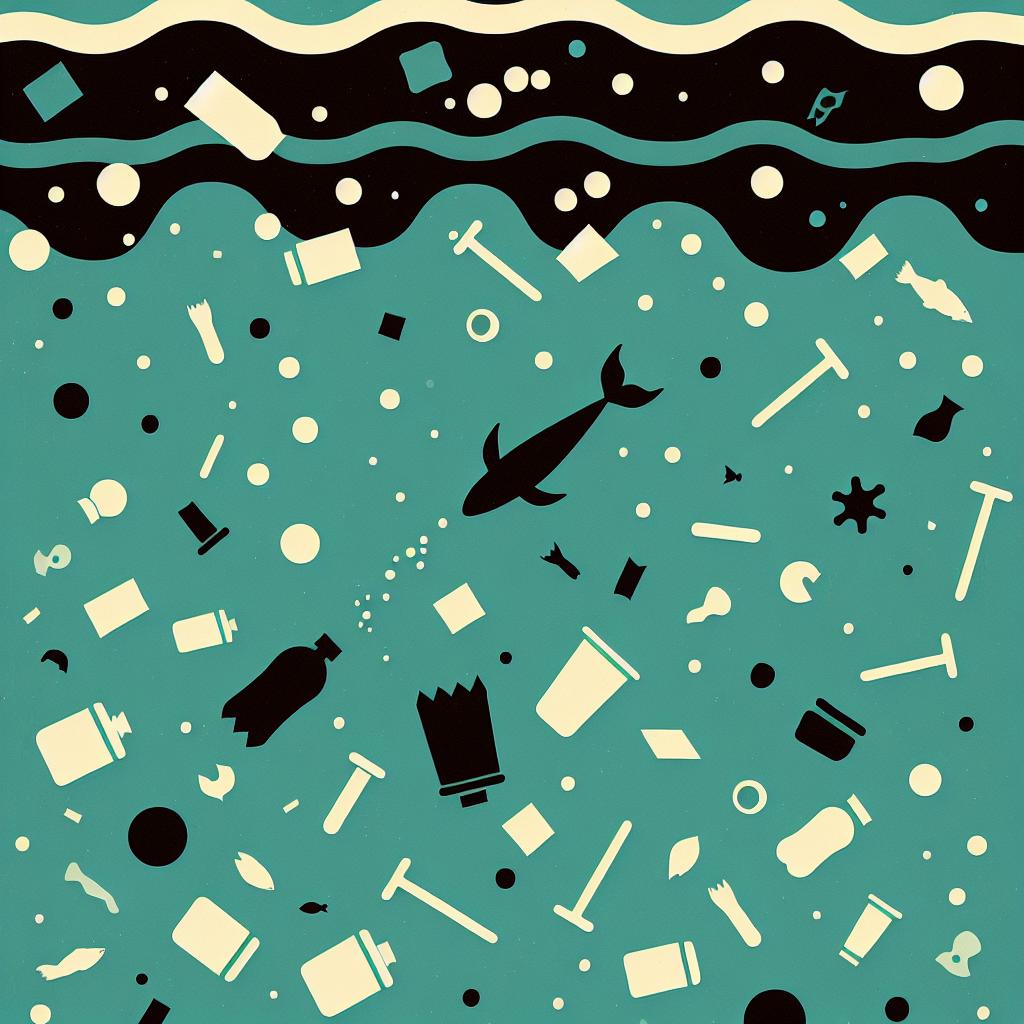
Each year, a staggering 8 million metric tons of plastic find their way into the world’s oceans, posing a severe threat to marine ecosystems and biodiversity. The escalating tides of plastic waste have wreaked havoc on marine life and habitats, challenging not only environmental beliefs but also the social consciousness of our interconnected world.
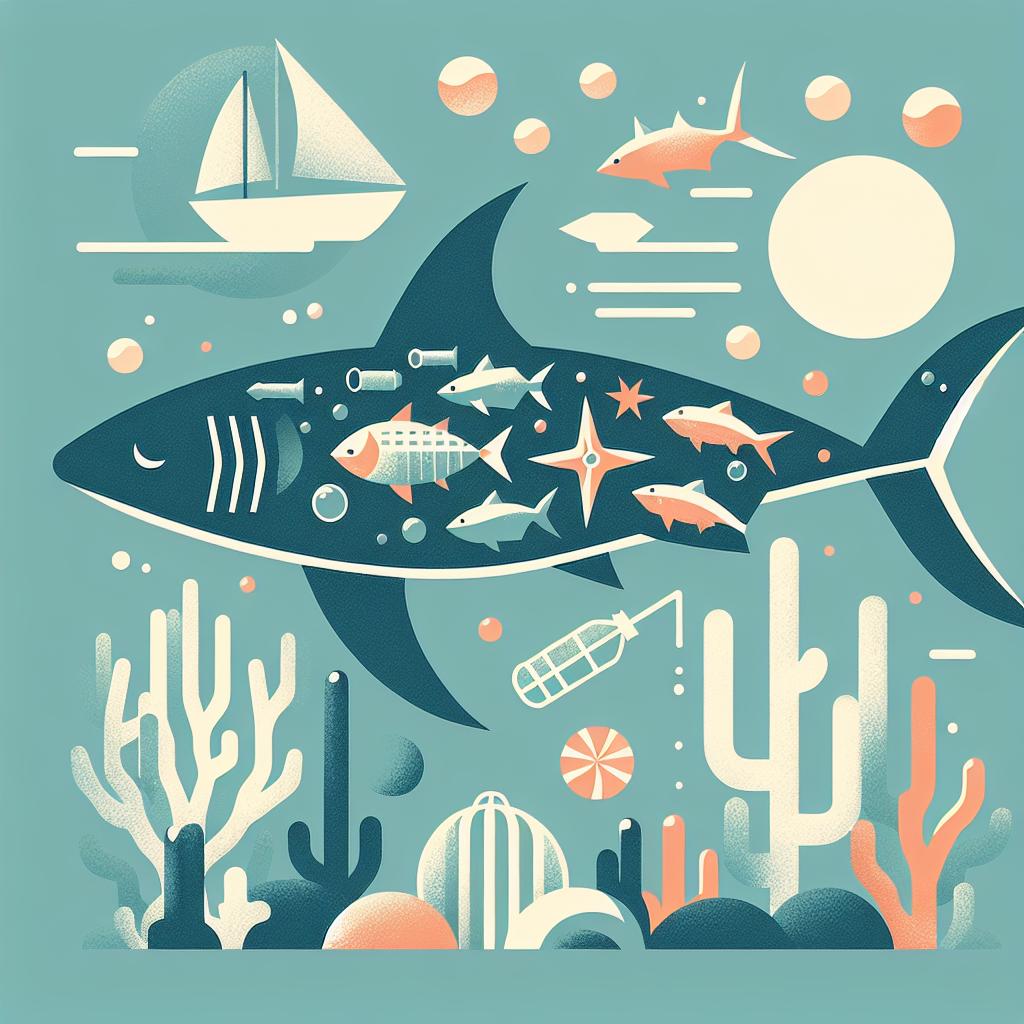
The nature of ocean pollution can be complex, yet it is clear that single-use plastics emerge as the principal culprits. Items like straws, bags, and other disposable materials contribute significantly to the volume of waste that disrupts marine ecosystems. These ubiquitous products don’t just fade from existence; they linger, breaking down into microplastics that infiltrate the food chain, eventually ending up on our dinner plates.
Resistance and Response
In recent years, a collective shift has emerged as organizations and governments champion comprehensive bans on single-use plastics such as straws and grocery bags. These initiatives pave the way for greater public awareness and action. Countries around the globe are beginning to recognize the perils of plastic pollution, and many have adopted policies aimed at reducing plastic waste to protect the marine environment.
Furthermore, the rise of biodegradable alternatives has sparked hopeful discussions amongst scientists and environmentalists. Public awareness campaigns aimed at enlightening consumers about their choices play a vital role in reducing the demand for single-use plastics. The image of a turtle struggling with a plastic straw lodged in its nostrils looms large in public media, effectively rallying communities towards environmental stewardship.
Innovative Solutions: Maritime Cleanup Initiatives
Among the most promising measures are maritime cleanup initiatives such as The Ocean Cleanup, a project designed to extract plastic from the oceans using sophisticated technology. This initiative has captured the imagination and support of many, serving as a beacon of hope amid the crisis. By deploying efficient systems, they are targeting garbage patches and visibly reducing debris from some of the world’s most polluted marine areas.
While the physical removal of plastics is necessary, it is not a standalone solution. Addressing the root causes of plastic pollution requires systemic changes. Collaborative efforts between governments, businesses, and nonprofit organizations are essential to create sustainable alternatives and encourage responsible consumption practices.
As we venture deeper into this millennium, shifts in both public policy and consumer behavior will determine the trajectory of our oceans. Environmentalists argue that tackling this crisis demands a multifaceted approach that combines technological innovation with consumer accountability—much akin to efforts we’ve seen in other environmental movements throughout history.
Through reflection, it becomes increasingly apparent that humanity stands at a critical juncture in its relationship with our oceans. Can we genuinely turn the tide against ocean plastic pollution, or will inaction continue to erode the marine environments that define the heart of our planet’s biodiversity?