
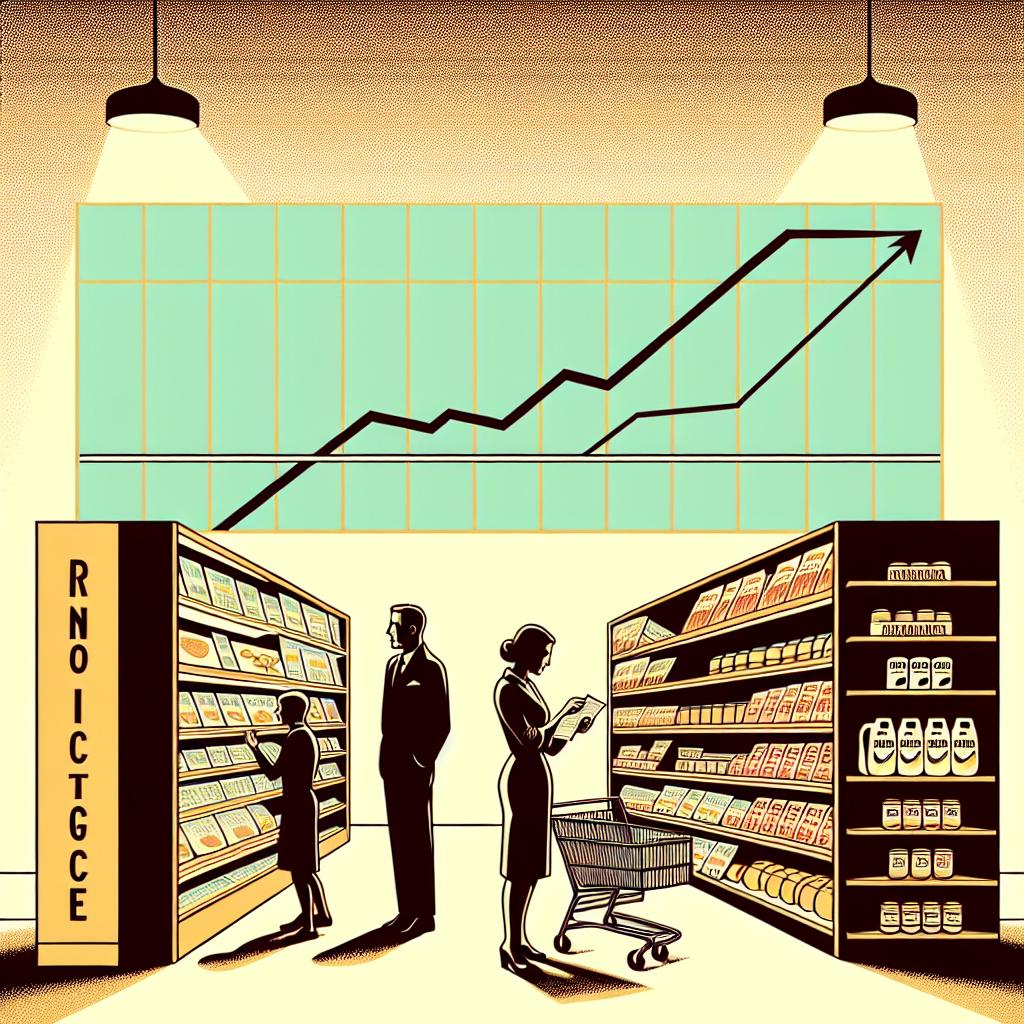

The Rise of Food Prices
The year 2022 was a turning point for global food prices, as nations grappled with the ramifications of a fragile supply chain. What some might consider a relatively benign aspect of the economy—food pricing—became a critical focus of political and social discourse all around the world. Inflated food costs across various markets have left many citizens worrying about how they will secure their next meals, turning what is typically a mundane matter into a blazing hot topic. Amidst increasing price tags on basic commodities, we must dissect the layers underlying these changes.
Supply Chain Disruptions
The COVID-19 pandemic, which began in early 2020, initially triggered a series of logistics nightmares that have yet to be fully resolved. By 2022, the situation had only worsened, intensifying the cycle of struggle and uncertainty within global supply chains. Lockdowns, travel restrictions, and other pandemic-related measures rippled through economies, causing significant disruptions in production and severely complicating international shipping routes. The Food and Agriculture Organization (FAO) reported that disruptions once considered minor—such as seasonal labor shortages—had escalated into major crises, as markets could no longer rely on consistent shipments of essential food resources.
This situation has exacerbated regional disparities, particularly in countries that are heavily dependent on imported grains and other foodstuffs. Nations like India and China, which once enjoyed relative food security, now face catastrophic challenges due to a combination of reduced external supply and rapidly growing internal demand. The result has been a sharp increase in food prices, leading to growing unrest and societal tension. Food, which was once a basic and accessible necessity, has become a politically charged and culturally significant issue, further complicating the already fragile social fabric of many nations.
The Climate Factor

While economic policies and logistical challenges have undoubtedly played a significant role in driving up food prices, the impact of climate change cannot be overlooked. The blistering effects of global warming have exacerbated agricultural uncertainty, leading to a decline in crop reliability across the globe. What were once considered predictable growing seasons and reliable harvests have become increasingly erratic, making it difficult for farmers to plan and for markets to stabilize. The gradual yet relentless rise in global temperatures has altered precipitation patterns, shifting the timing and intensity of rains and leading to prolonged periods of drought or, conversely, devastating floods. These changes have significantly disrupted traditional farming practices, particularly in regions that are already vulnerable due to economic or geographic factors.
Extreme weather events—such as wildfires, hurricanes, droughts, and floods—have wreaked havoc on agricultural production, leaving devastation in their wake. Wildfires, fueled by rising temperatures and prolonged dry spells, have destroyed vast swathes of arable land, reducing the availability of fertile soil and displacing farming communities. Hurricanes and cyclones, with their increasing intensity, have not only wiped out crops but also damaged essential infrastructure, further hindering the transportation and distribution of food. Droughts have parched lands that were once lush and productive, leading to the depletion of water resources that are crucial for irrigation and livestock. Meanwhile, floods have submerged agricultural fields, washing away seeds, nutrients, and the very topsoil that supports crop growth.
The impact of these extreme weather events is felt most acutely in vulnerable regions like Sub-Saharan Africa and parts of Southeast Asia, where the agricultural sector forms the backbone of the economy and food security is already a tenuous balance. In these areas, subsistence farming is common, and the livelihoods of millions of people depend on their ability to grow enough food to feed their families and sell at local markets. However, as agricultural lands are increasingly rendered unproductive by the relentless effects of climate change, these communities face dire conditions. The loss of crops not only leads to immediate food shortages but also undermines the long-term viability of farming as a sustainable livelihood.
Disrupted seasonal cycles, a hallmark of climate change, have further compounded these challenges. Farmers who once relied on the predictability of rainy and dry seasons now find themselves struggling to adapt to increasingly erratic weather patterns. The timing of planting and harvesting has become a gamble, with the risk of crop failure ever-present. This has led to a sharp decline in the yield of staple crops like rice, wheat, and maize—crops that form the dietary foundation for billions of people. As yields diminish, food scarcity becomes an ever more pressing concern, driving up prices and putting additional strain on already fragile economies.
The ripple effects of these agricultural disruptions extend far beyond the fields. As food production declines, countries that were once self-sufficient are increasingly forced to rely on imports to meet their basic needs, further exposing them to the volatility of global markets. This dependency on imported food makes them vulnerable to international price fluctuations, trade disputes, and supply chain disruptions, all of which can exacerbate the problem of food insecurity. In turn, rising food prices contribute to social unrest, as populations struggle to afford basic necessities and governments face mounting pressure to provide relief.
The Role of Trade Agreements
Food inflation is not merely a natural or inevitable phenomenon; it is also significantly influenced by international trade agreements and policies. Governments that introduce export bans or impose tariffs in an effort to protect their local food supplies often inadvertently exacerbate the very problems they seek to address. These measures can lead to higher costs for importing countries, with the most detrimental impacts often felt by poorer nations that rely heavily on food imports to meet their basic needs.
Policy debates surrounding these issues are often fraught with tension, as they pit national interests against the broader principles of globalism and international cooperation. As politicians and policymakers discuss international aid, trade practices, and cooperation frameworks, the reality of rising food prices remains a critical concern for voters and citizens worldwide. The question of why nations remain so beholden to complex and often opaque international trade agreements, while their citizens struggle with rising prices, reveals much about the limitations of political will and the challenges of finding concrete solutions to global food security.
Understanding Vulnerability
Countries such as Ethiopia, Pakistan, and many others in Southeast Asia and Sub-Saharan Africa are on the frontlines of this pandemic-induced and climate-aggravated food crisis. In these regions, the threat of malnutrition and starvation is growing at an alarming rate, as food prices soar well beyond the reach of ordinary families. Vulnerable populations, already struggling under the weight of financial and physical burdens, face the highest risk in this deadly cycle of food insecurity.
The landscape of food vulnerability is complex and multifaceted, with sociopolitical factors like gender inequality further complicating access to food. Women, in particular, often bear the brunt of food insecurity, as they are more likely to be undervalued and overlooked in economic analyses and policy decisions. It is essential that solutions to the global food crisis not only address economic and logistical challenges but also reinforce the capacity of vulnerable populations to access food and other basic necessities. This requires a holistic approach that takes into account the diverse and intersecting factors that contribute to food insecurity.
The Path Forward
Addressing the global food price crisis requires a multifaceted and coordinated approach that goes beyond short-term fixes and band-aid solutions. One key aspect of this approach is the development and implementation of innovative agricultural practices that can bolster resilience and adaptability in the face of climate change and other evolving environmental conditions. Sharing technology and knowledge on an international scale, as seen in various green initiatives, can encourage the creation of self-sustaining agricultural systems that reduce dependence on volatile global markets and lift some of the burdens off beleaguered economies.
In addition to technological innovation, it is crucial to foster open and transparent dialogue among nations about trade practices, accountability, and the need for equitable and sustainable food systems. By prioritizing food security in international agreements and placing it at the forefront of global policy discussions, the international community can take meaningful steps toward managing inflation and ensuring that food remains accessible and affordable for all.
As the social and economic fabric of many regions becomes increasingly frayed, the global focus on the root causes of food price inflation will play a critical role in shaping the future of international relations and global partnerships. The choices made by governments, organizations, and individuals in the coming years will determine whether society prioritizes the needs of its most vulnerable members or leaves them to face the consequences of a broken and inequitable food system. The path forward requires not only immediate action but also long-term commitment to building a more resilient, just, and sustainable global food system that can withstand the challenges of the 21st century.