
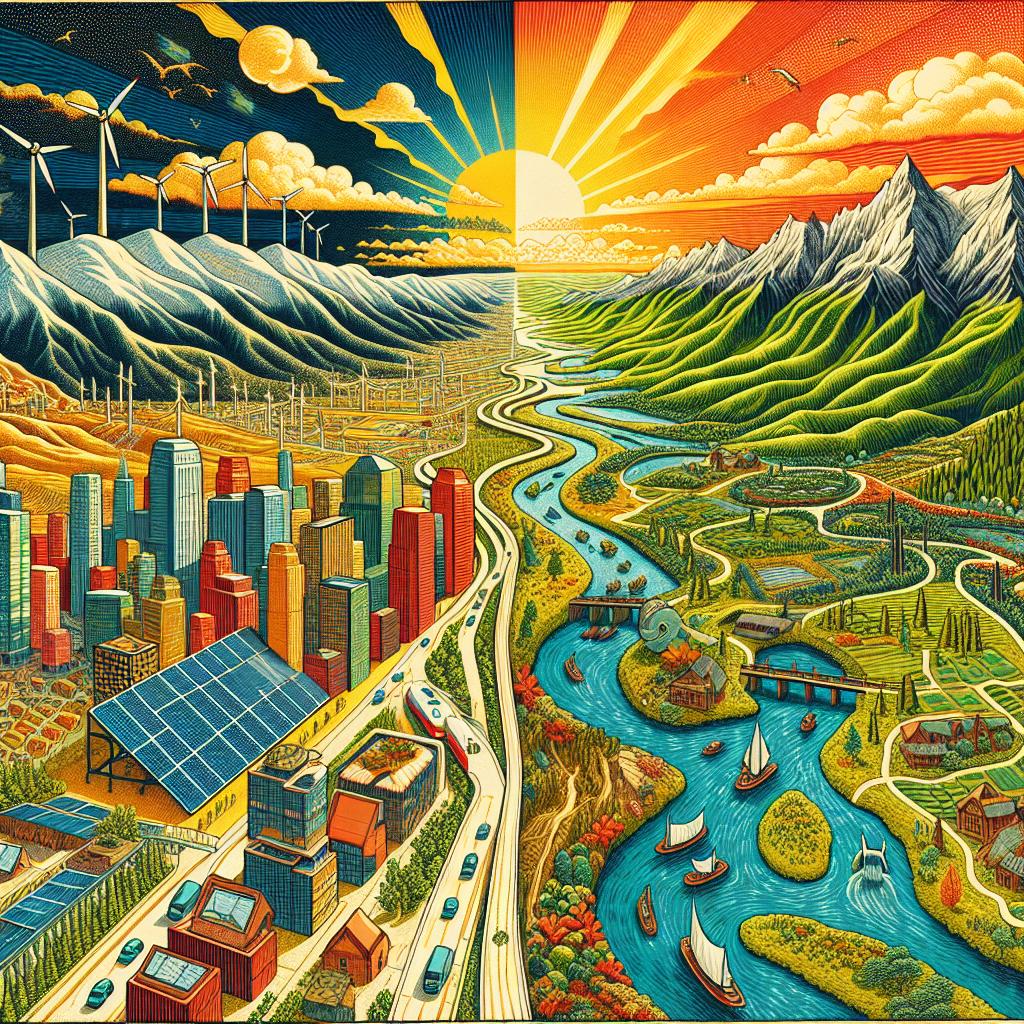

The Balancing Act of Climate Resilience
As climate change continues to pose a growing threat to communities across the United States, federal and state governments are taking innovative steps to enhance climate resilience. In recent years, climate variability has resulted in increasingly severe natural disasters, which have not only resulted in loss of life but have also imposed staggering economic costs on local and state governments. To address these escalating challenges, our political leaders are beginning to understand that proactive measures toward climate resilience are not just environmentally responsible, but also economically prudent.
The recent surge of federal and state collaboration in addressing climate resilience highlights a shift in priorities toward infrastructure that can withstand extreme weather. These initiatives are particularly focused on coastal regions and flood-prone areas, where the impacts of climate change are often felt first and hardest.
New Funding for Essential Infrastructure
One aspect of this evolving dialogue surrounds increased funding aimed at refining infrastructure to endure the unpredictability that prolonged climate change is expected to bring. Investments made today in climate resilience can pave the way for healthier communities tomorrow. Federal resources, along with state funding, have been funneled into projects that fortify coastlines against rising sea levels, upgrade drainage systems to accommodate heavier rainfall, and invest in greener urban planning solutions.

As weather extremes heighten, the need for diverse water management systems becomes vital. In metropolitan areas, innovative retention basins are emerging as essential tools in urban planning, helping to absorb excess rainfall during heavy storms while ensuring that touring waters do not overwhelm existing drainage infrastructure.
Bipartisan Cooperation in Climate Policy
The road to effective climate resilience is complicated, yet encouragingly, bipartisan support is evident for measures that will mitigate climate risks while boosting economic resilience. Historically, climate discussions have often been mired in partisan tussles, with divergent philosophies leading to gridlock. However, as natural disasters have taken center stage in American lives, they have instigated both sides of the political aisle to recognize that climate change is a pressing issue transcending party lines.
In various state legislatures, packages of bipartisan legislation focused on enhancing climate resilience have gained traction. The objective? Achieving a dual benefit—protecting communities from the adverse effects of climate change while simultaneously creating jobs and stimulating the economy.
According to a report by the National Association of Clean Water Agencies, for every dollar spent on disaster preparedness, it is estimated that approximately six dollars are saved on recovery costs. This compelling statistic has resonated with legislators at all levels, reflecting an urgency to integrate climate resiliency efforts into planning processes.
For areas where floods occur with increasing frequency, collaborative projects aim to level the playing field, no matter the affected community’s socioeconomic status. The broad spectrum of bipartisan support for climate resilience efforts is indicative not just of the Democratic and Republican parties, but also a profound recognition among elected officials that vital infrastructure is a national and local priority.