

Imagining a Healthier Future
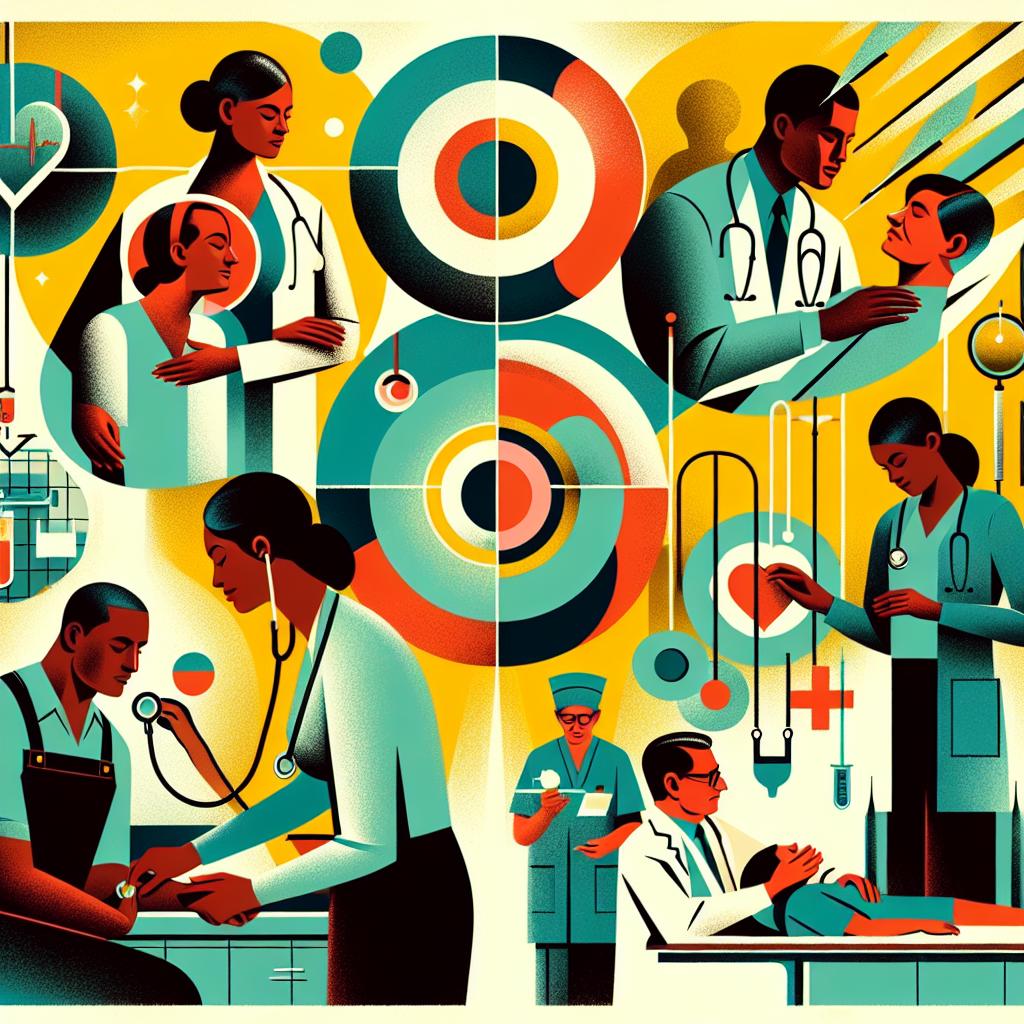
Imagine a world where everyone, regardless of income, has access to the care they need. In such a world, universal healthcare wouldn’t just be an abstract policy—it’s a promise to lift everyone up. It’s about prioritizing human dignity over profit and making a commitment that every individual deserves the chance to thrive.
The Broader Impact of Health
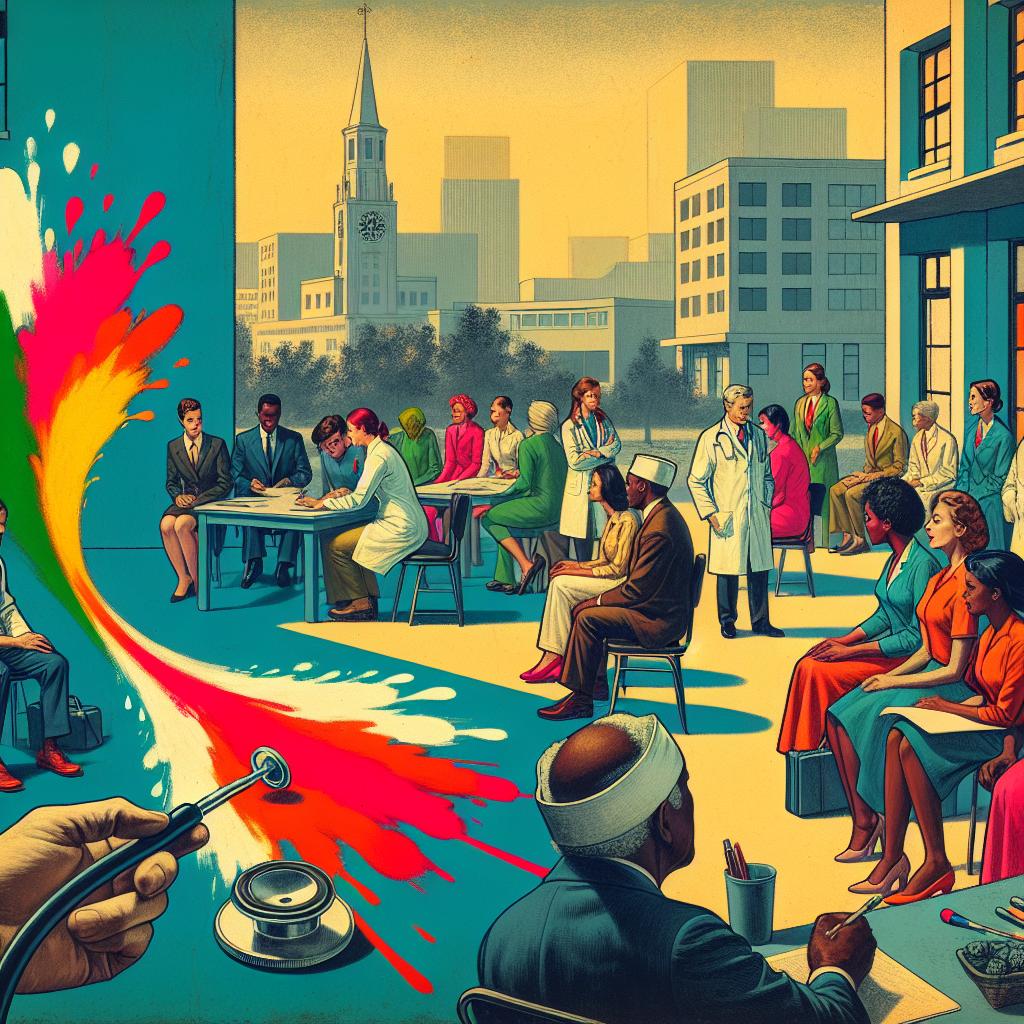
When people are healthy, they thrive. This is not simply about treating illness; it’s about enabling individuals to pursue their passions and dreams, participate fully in their communities, and contribute to the economic vitality of society. Furthermore, the social determinants of health tell us that access to care significantly influences one’s capability to lead a healthy life. A society that invests in health for its citizens is a society that reaps the benefits.
The Cost Question: Investing in Society
The opposition to universal healthcare will often argue that it’s too costly. But what’s the cost of a society that leaves its most vulnerable behind? When we factor in the long-term implications of healthcare inequalities, we find that the expense of not having universal coverage far exceeds the investment needed to establish it. Health crises can lead to loss of income, mental health repercussions, and increased reliance on emergency services—issues that could be mitigated or entirely avoided with a universal system.
An Ethical Imperative
This movement toward universal healthcare is more than just a financial calculation; it is deeply rooted in the principles of fairness and justice. It asks us to consider the kind of world we want to build together. One where illness does not correlate with your financial situation, where your zip code does not determine the quality of care you receive. The endeavor for universal healthcare is about ensuring that all individuals are treated with respect and dignity, which fosters a stronger, more embodying community.
As we continue this vital dialogue around universal healthcare, we must remember its broader implications: equitable health can propel economic stability and, in turn, civic engagement. By reducing barriers to care, we increase individual and collective potential.
Challenges Ahead
Despite the clear benefits, moving toward a universal healthcare system will undoubtedly face challenges. Political polarization and entrenched interests may resist efforts to reform the healthcare system. However, advocates urge us to remain steadfast, highlighting the numerous models around the world that illustrate successful implementations of universal coverage.
Countries that have embraced this approach often boast not only healthier populations but also more efficient systems that lower costs in the long run. They demonstrate that this goal isn’t just feasible—it’s necessary for a bright, equitable future.
While the debate continues, let’s keep our sights set on humanity. Universal healthcare isn’t just a matter of policy; it’s a reflection of our values. Let’s engage in meaningful discussions that prioritize the health of our communities over the profits of a few recounting the words of advocates: this is about fairness, justice, and the kind of world we want to build together. Together, we can create a society where healthcare is recognized as a fundamental human right.